Travel Signals: Search Gets Competitive, Disruption Becomes Content and Gen Z Goes Offline
Travel Signals: Search Gets Competitive, Disruption Becomes Content and [...]


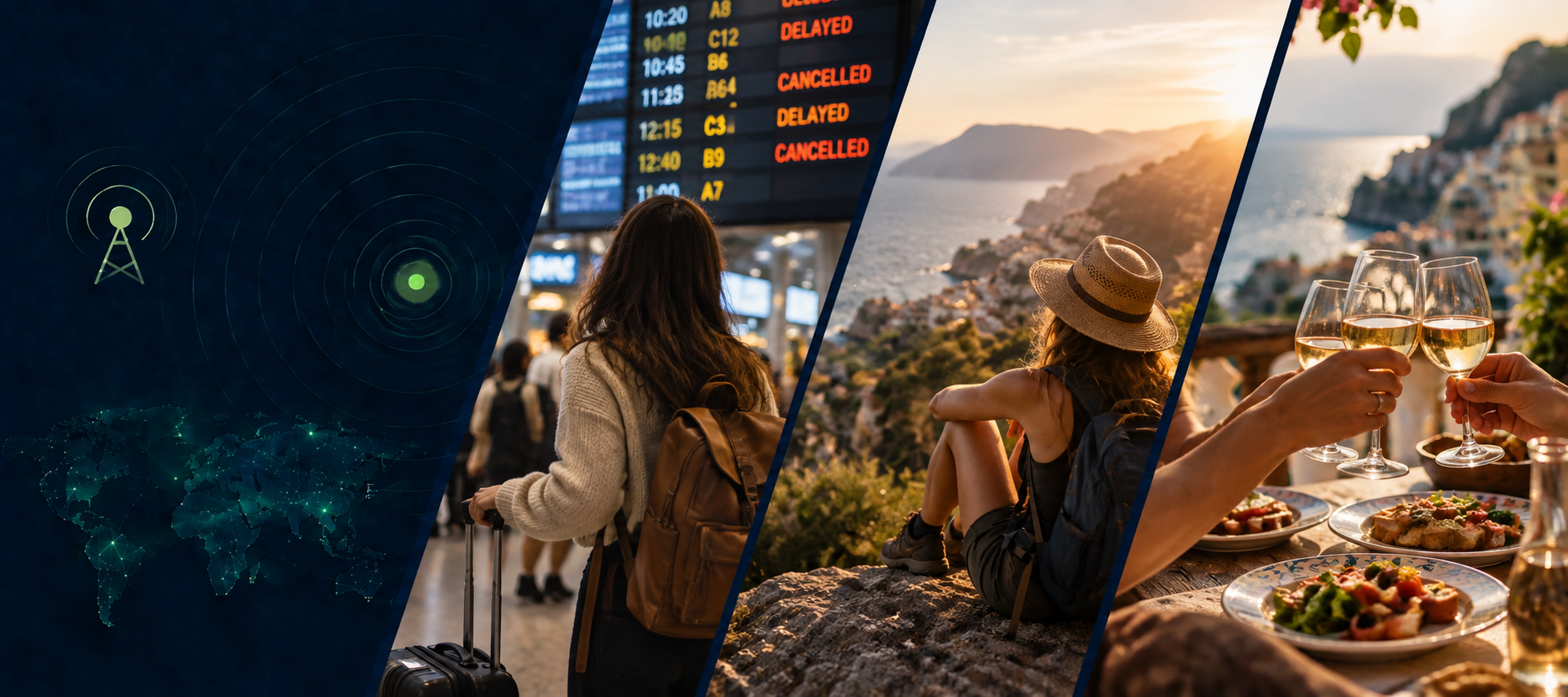
Travel Signals: Search Gets Competitive, Disruption Becomes Content and [...]

An economic impact report should be more than an annual announcement. It can become a year-round source of stories that shows residents, elected officials and industry partners how tourism moves through a community.
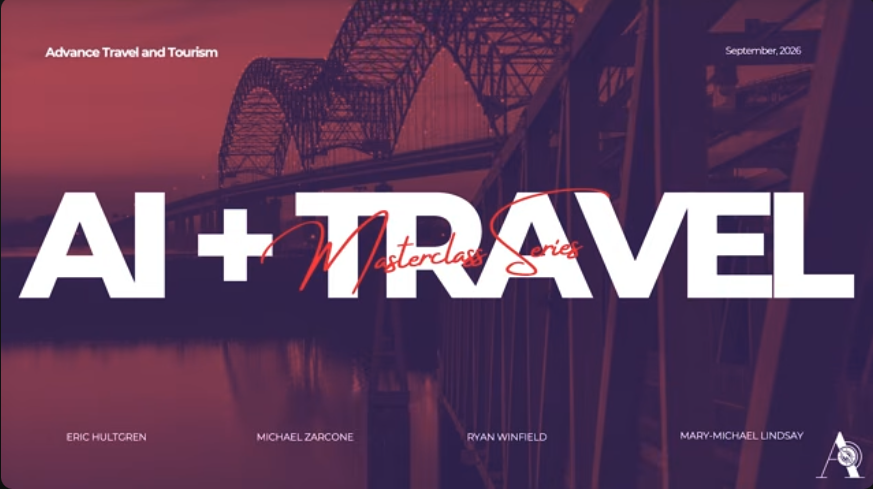
AI is reshaping travel marketing, from traveler discovery and non-commodity content to better prompts, paid AI advertising and emerging ChatGPT traffic.

Travel Signals looks beyond the travel industry for shifts that could reshape how people discover, choose and experience places. This week, the clearest signals are coming from fast food, wellness and social media. Across all three, consumers are reconsidering the role technology and optimization should play in their lives.

At a recent series of concerts, Fred again.. asked fans to cover their phone cameras with stickers and stay in the moment. Afterward, he gave them access to a Dropbox filled with professional photos and videos from the shows. It was a smart exchange: give the experience your full attention now, and you can keep the memory later.

When travel marketers consider where to invest next, the conversation often begins with channels. Paid social or search? Streaming video or display? A new market or more frequency in an existing one?
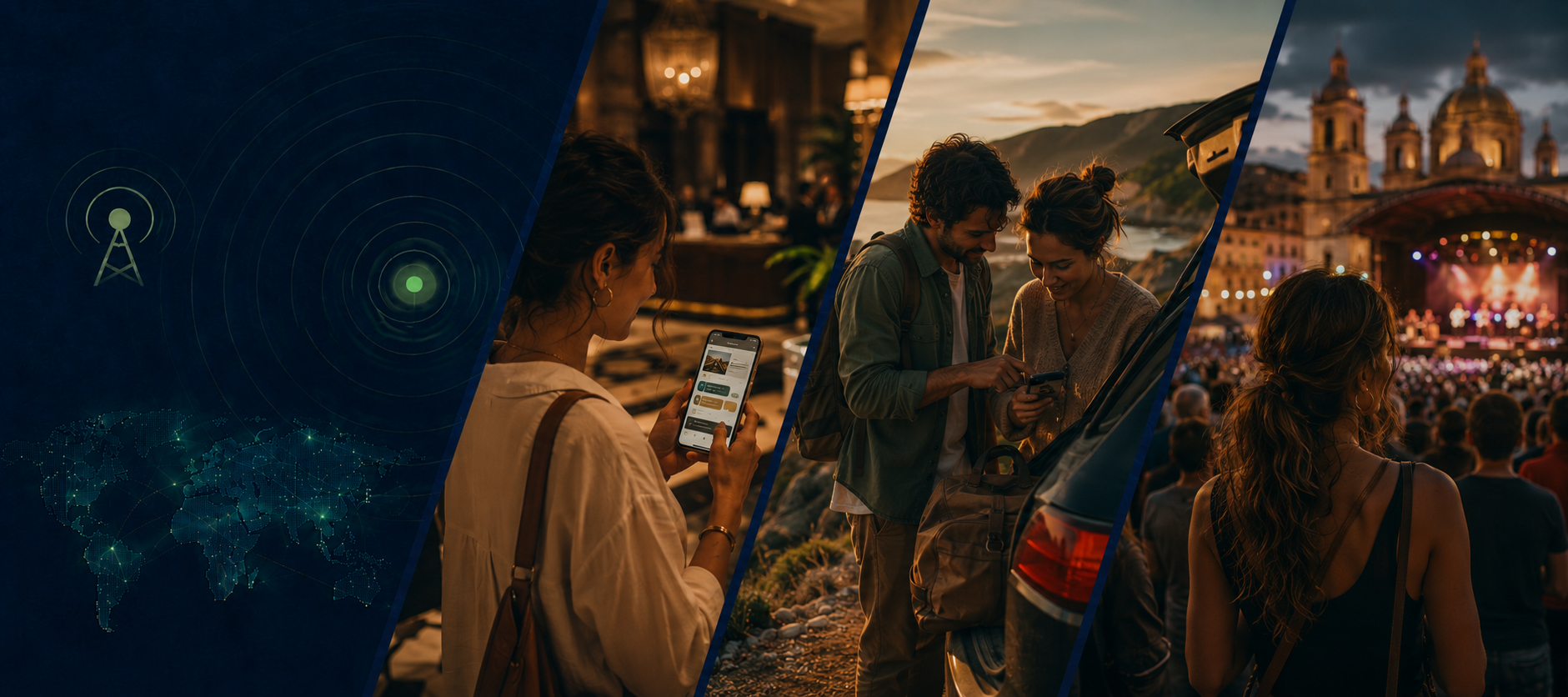
Travel Signals often looks beyond the travel industry for shifts that could reshape how people discover, choose and experience places. This time, the clearest signals are coming from inside travel itself. Across technology, traveler behavior and live events, the path from inspiration to arrival is becoming shorter and more intent-driven. Here are three signals we’re watching and what they could mean for travel marketers.

Brands are beginning to celebrate AI visibility when the more [...]

As we move through the second half of 2026, one travel trend is worth paying attention to: milestone moments are giving people a reason to get away. And for destination marketers, the opportunity may extend well beyond this year.
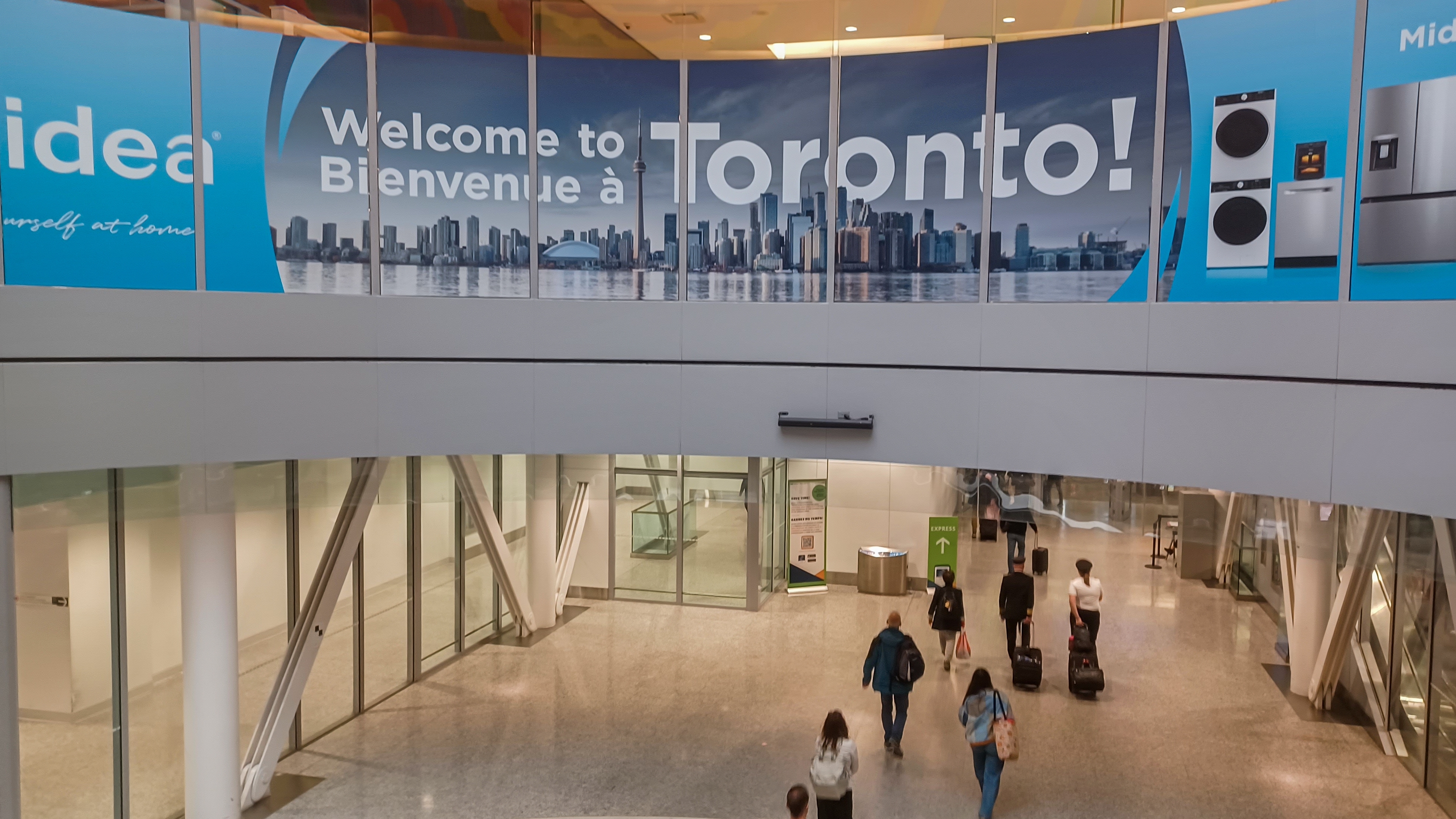
For many travelers, the night before an early flight or after a late arrival is treated as dead time. Find the nearest chain hotel. Take the shuttle. Eat whatever is nearby. Get some sleep. But what happens when that logistical stop becomes part of the trip?

Every week, businesses make decisions that reveal where consumer expectations are headed. Often, those decisions have little to do with travel. But they have everything to do with how people discover places, form emotional connections and experience the journey. Here are three signals we’re watching and what they could mean for travel marketers.
Travelers are building trips like networks—connecting cities, events and experiences into one itinerary.
Every week, businesses make decisions that reveal where consumer expectations are headed. Often, those decisions have little to do with travel. But they have everything to do with how people discover places, form emotional connections and experience the journey. Here are three signals we’re watching and what they could mean for travel marketers.

Around a decade ago, we introduced the Five Stages of Travel to help destinations understand how travelers move from inspiration to advocacy. That framework still holds true today. But the traveler has changed.
Here are three signals we're watching and what they could mean for destination marketers.

Use of and/or registration on any portion of this site constitutes acceptance of our
User Agreement (updated 8/1/2024), and acknowledgement of our
Privacy Policy, and
Your Privacy Choices and Rights (updated 1/1/2026).
© 2026 Advance Local Media LLC. All rights reserved (About Us).
The material on this site may not be reproduced, distributed, transmitted, cached or otherwise used, except with the
prior written permission of Advance Local.
Use of and/or registration on any portion of this site constitutes acceptance of our User Agreement (updated 8/1/2024), and acknowledgement of our Privacy Policy, and Your Privacy Choices and Rights (each updated 1/1/2025).
© 2025 Advance Local Media LLC. All rights reserved (About Us).
The material on this site may not be reproduced, distributed, transmitted, cached or otherwise used, except with the prior written permission of Advance Local.
 Ad Choices