

Travel Signals: What Destination Marketers Should Be Watching
The biggest shifts shaping travel don’t always start in the travel industry.
Taken together, this week’s stories reveal a common thread: travel demand is still strong, but the way people discover, evaluate, and act on that demand is becoming more fragmented.
Major events are driving movement. AI and prediction platforms are reshaping how people make decisions. And cultural moments are becoming travel infrastructure in disguise.
What’s happening
1. Cannes Lions puts creators at the center of marketing
Creator marketing wasn’t just another topic at Cannes Lions this year. It was woven throughout the festival, with expanded creator programming, more than 200 creators in attendance, and conversations focused on how creators are becoming part of long-term marketing strategy rather than one-off campaigns.
The Signal: Creator partnerships are becoming marketing infrastructure. For destinations, that means thinking beyond one-off collaborations and toward long-term relationships with people who consistently shape how travelers discover places.
2. Prediction markets are becoming a mainstream behavior signal
Meta is reportedly building a prediction-market-style app similar to Polymarket and Kalshi, while Pew reported prediction market trading volume grew from under $5 billion monthly in September 2025 to about $24 billion in April 2026.
The Signal: People are increasingly looking to collective confidence before making decisions. Travel is no exception. Whether it’s reviews, Reddit, TikTok, or prediction markets, the underlying behavior is the same: people want validation before they commit.
3. World Cup demand is showing up unevenly
World Cup travel demand is not landing equally across every host market. Expedia told ABC News demand is “uneven by market,” while New York hotels reportedly saw World Cup-driven occupancy climb above 90%.
The Signal: Big events create attention. They do not automatically create conversion. Host and nearby destinations still need clear reasons to stay longer, explore more, and build a trip around the moment.
4. July 4 travel is expected to hit a record
AAA projects 72.2 million Americans will travel 50+ miles during Independence Day week, including growth in buses, trains, and cruises.
The Signal: Demand is there. The opportunity is in helping travelers make confident, value-conscious choices before they default to the most obvious option.
One number
77%
Expedia says global social conversation about domestic vacations is up 77% year over year, with U.S. conversation doubling.
Why we’re paying attention
Travel is increasingly being shaped by signals outside traditional tourism marketing.
A festival in France tells us where creative strategy is heading. A prediction market tells us how people are reading collective confidence. A soccer tournament shows that attention and visitation are not the same thing. A holiday travel forecast shows demand is still resilient, even as travelers make more intentional choices.
The pattern is clear: visibility still matters, but visibility without context is fragile.
Destinations need to be present where attention forms, but they also need to give travelers a reason to choose.
What we’re watching next
- World Cup spillover: Which destinations turn event attention into broader visitation?
- AI trip planning: Which destinations are making their content easier for AI tools to understand and surface?
- Domestic travel behavior: Whether value-conscious travelers shorten trips, stay closer to home, or look for fewer-but-better experiences.
Learn more about how we can help you adapt to the evolving marketing landscape and ramp up your efforts.
October 19, 2026
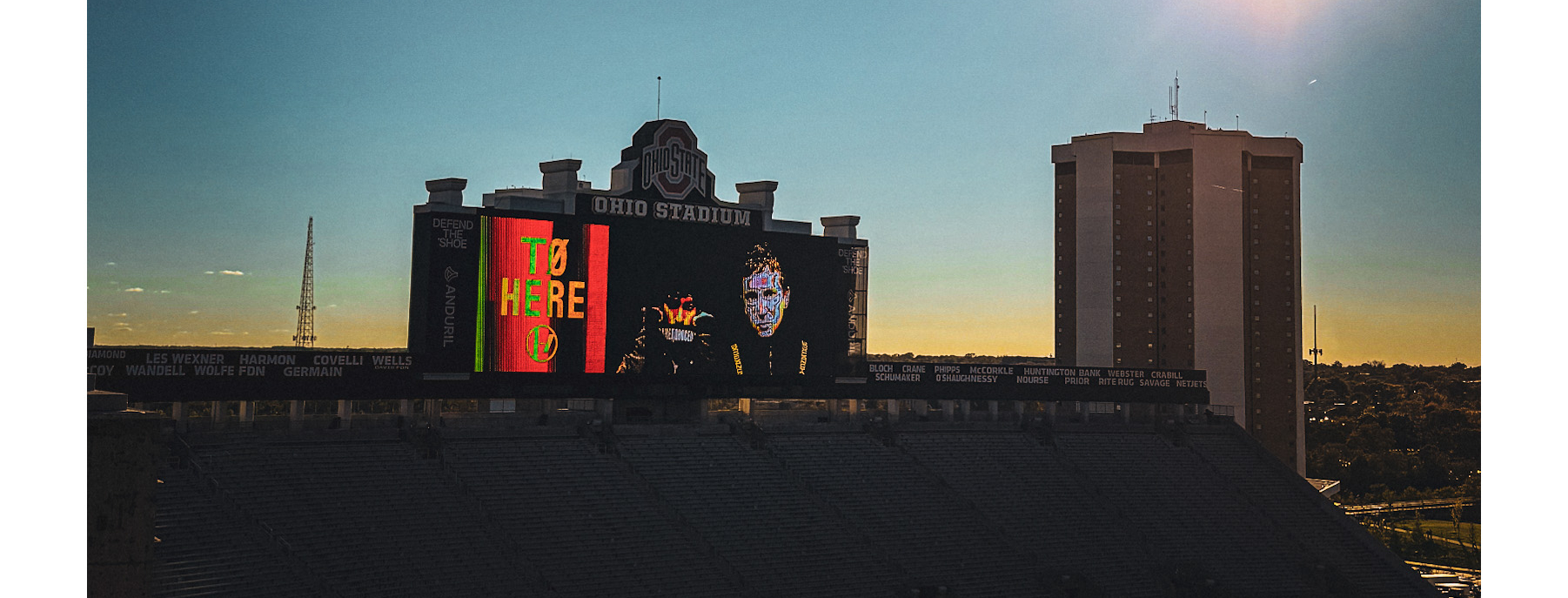
What a hometown concert, a marathon, and nearly 200,000 event attendees can teach us about what makes a destination worth visiting. On a moonlit Saturday evening, cool fall air chilled the 102,000 fans waiting for Twenty One Pilots to begin their largest and longest show to date. Suddenly, Ohio Stadium exploded in a wash of red as every screen and every [...]
October 15, 2026

The future of travel marketing isn't about creating more content. It's about creating something AI can't reproduce without you. There is a fundamental problem emerging in travel marketing, and it has very little to do with whether you're using ChatGPT, Gemini, Claude, or whatever new AI product showed up while I was writing this sentence. The problem is that we have [...]
October 15, 2026

The future of destination marketing isn't simply about being discovered. It's about becoming a destination that travelers, and the AI systems helping them, can trust. Imagine planning the perfect family vacation. You want hiking trails with spectacular views, restaurants worth traveling for, beautiful beaches, and enough activities to entertain the kids. Maybe there's skiing in the winter, incredible shopping, and a quiet [...]

 Ad Choices