The Whycation Economy: Why Travelers Are Choosing Reasons, Not Destinations
There’s a quiet shift happening in consumer travel planning.



There’s a quiet shift happening in consumer travel planning.
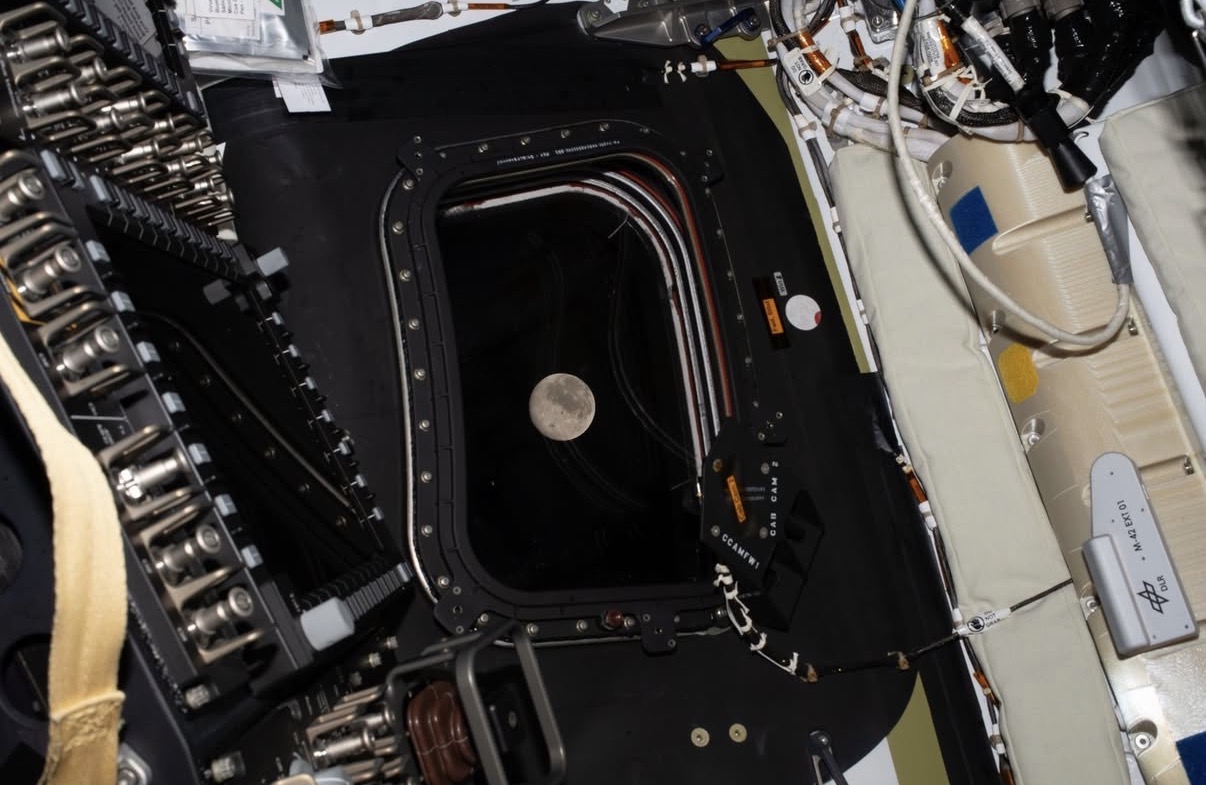
Four astronauts are currently on their way back from the Moon. While they were out there, 248,000 miles from Earth, no Wi-Fi, no cellular signal, they were still posting.

She was six years old when she found YouTube. [...]

When you sit down to record a podcast, you [...]

For most of the internet’s history, a photograph arrived [...]

Most marketers experimenting with AI have learned the basics of prompting:

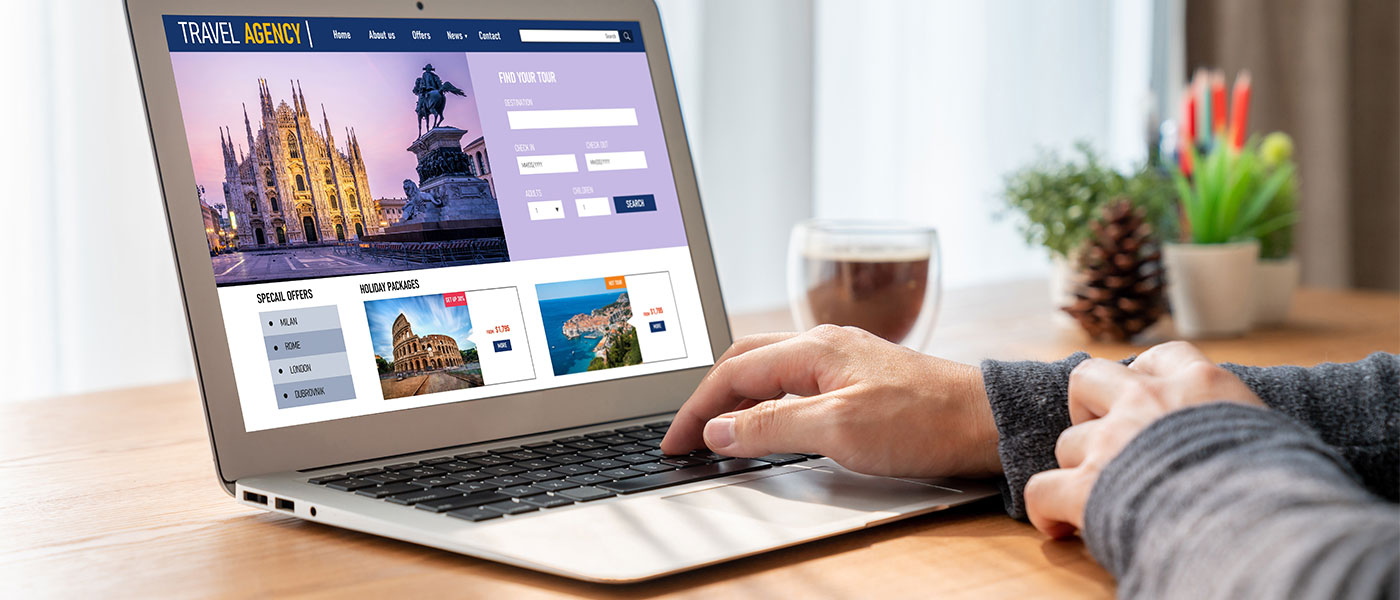
Travel inspiration has always been visual, yet the nature [...]

In Blade Runner, based on Philip K. Dick’s Do [...]
If you’ve been on the internet this week, [...]

AI, data, and personalization aren’t the strategy — they’re the infrastructure supporting it.

Many DMOs operate with continuous awareness, yet lack a fully connected inspiration-to-booking funnel. In an AI-driven world, showing up early isn’t enough.

As AI becomes infrastructure, the brands that stand out won’t be the ones producing the most content, but the ones using AI to amplify humanity, clarity, and trust.
As AI answers questions without sending users to websites, traffic alone no longer reflects impact. Yet websites still matter as the fuel for AI discovery. In 2026, DMOs must rethink what success looks like — and how they measure it.

This year, content strategy has to do more than perform in feeds. AI-driven discovery favors modular, plain-language blogs and video ecosystems that can be repurposed across platforms. The future isn’t short or long form. It’s intentional content systems.

In 2026, performance isn’t about channel loyalty. It’s about meeting travelers where discovery actually happens.

Use of and/or registration on any portion of this site constitutes acceptance of our
User Agreement (updated 8/1/2024), and acknowledgement of our
Privacy Policy, and
Your Privacy Choices and Rights (updated 1/1/2026).
© 2026 Advance Local Media LLC. All rights reserved (About Us).
The material on this site may not be reproduced, distributed, transmitted, cached or otherwise used, except with the
prior written permission of Advance Local.
Use of and/or registration on any portion of this site constitutes acceptance of our User Agreement (updated 8/1/2024), and acknowledgement of our Privacy Policy, and Your Privacy Choices and Rights (each updated 1/1/2025).
© 2025 Advance Local Media LLC. All rights reserved (About Us).
The material on this site may not be reproduced, distributed, transmitted, cached or otherwise used, except with the prior written permission of Advance Local.
 Ad Choices