

The Happy Meal Isn’t Nostalgia Marketing, It’s an IP Platform
Last week, McDonald’s surprised people by announcing the return of Changeables—those late-’80s and early-’90s Happy Meal toys that transformed menu items into characters. For a lot of people, it was pure nostalgia. For marketers, it was a signal.
What caught my attention wasn’t just the toys. It was the language. McDonald’s teased the return with a line about something coming “from deep in the multiverse.” That phrasing isn’t accidental. It’s not lore. It’s permission.
If you look back over the past few years, McDonald’s has quietly experimented with Happy Meals tied to Pixar films, Pokémon, Marvel characters, the Mario movie, Squishmallows, and even Adult Happy Meals like the Cactus Plant Flea Market drop. Cups, socks, cards, figurines. Owned IP. Rented IP. Nostalgia plays. Pop culture moments.
On the surface, it can feel scattered. But there’s a pattern.
What connects all of these isn’t a single story. It’s the idea that a Happy Meal is not a franchise—it’s a sandbox.
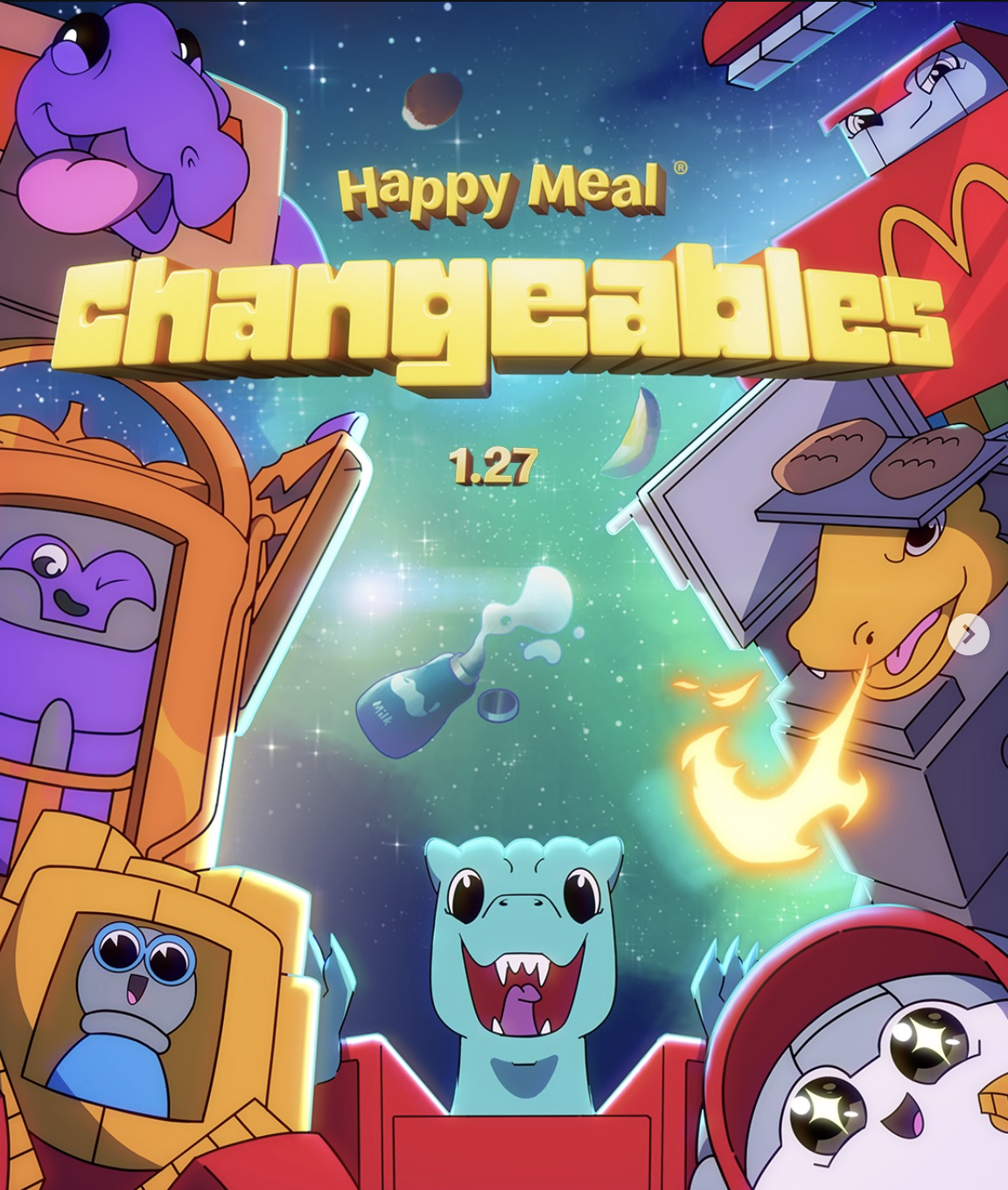
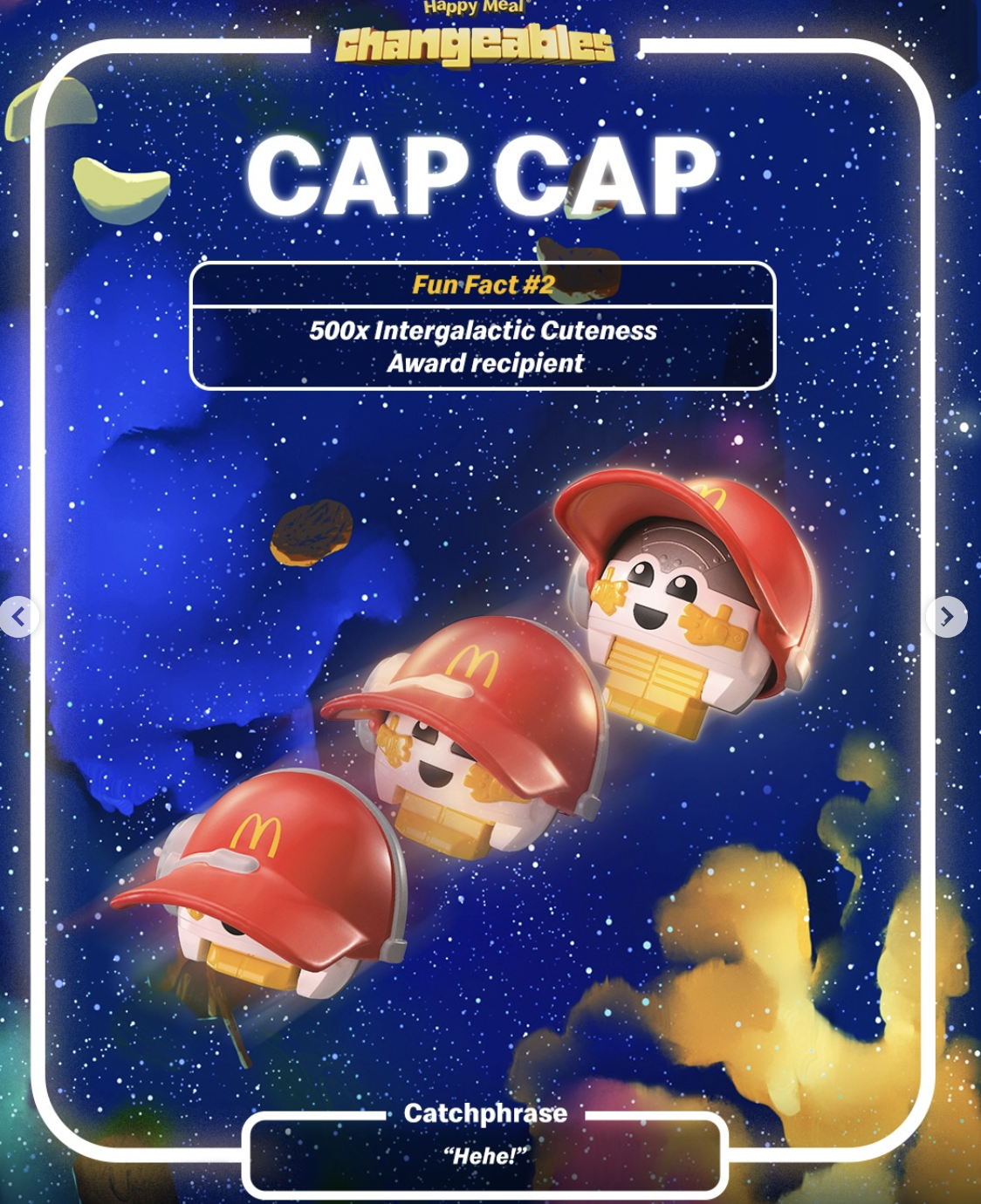
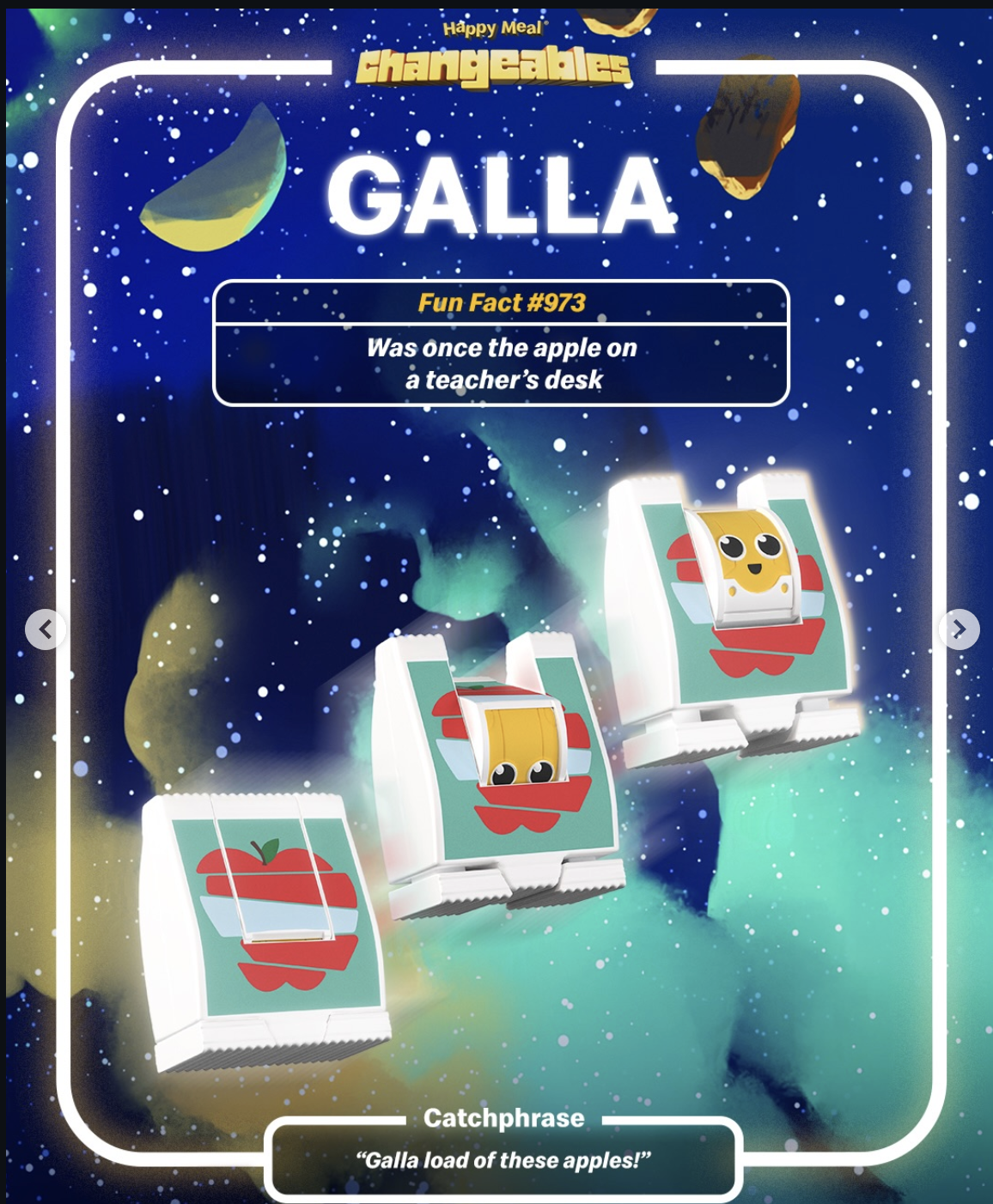
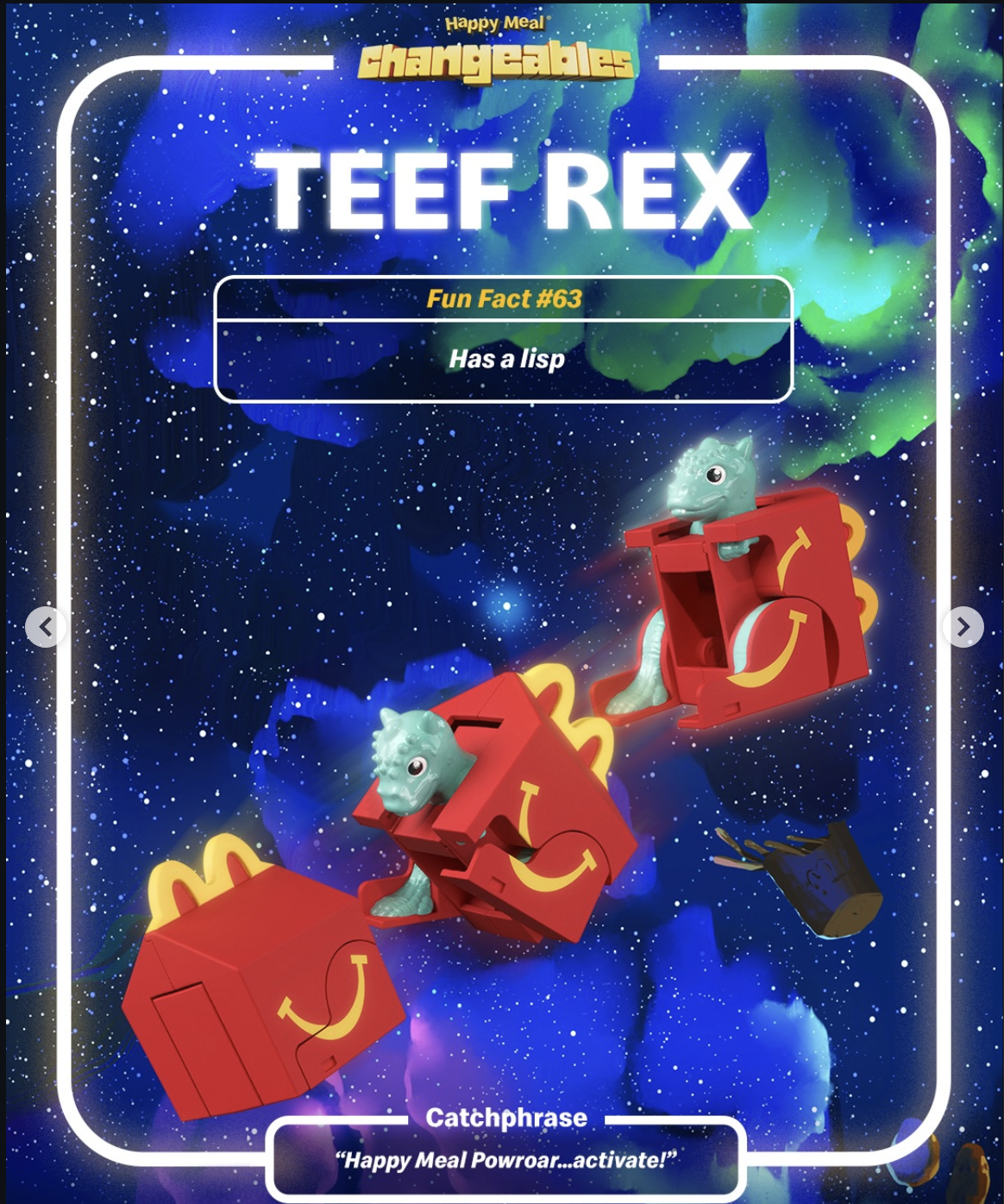
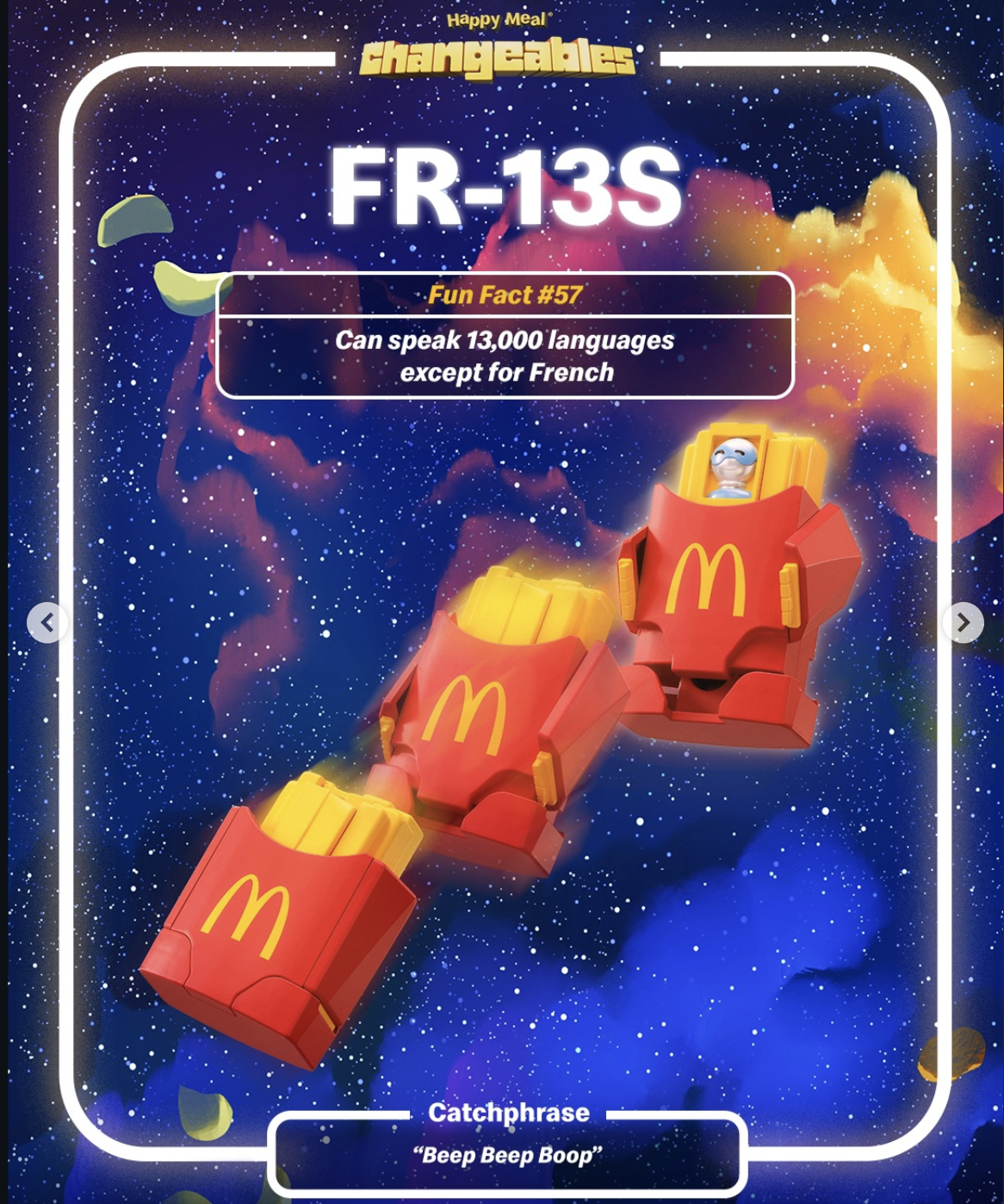
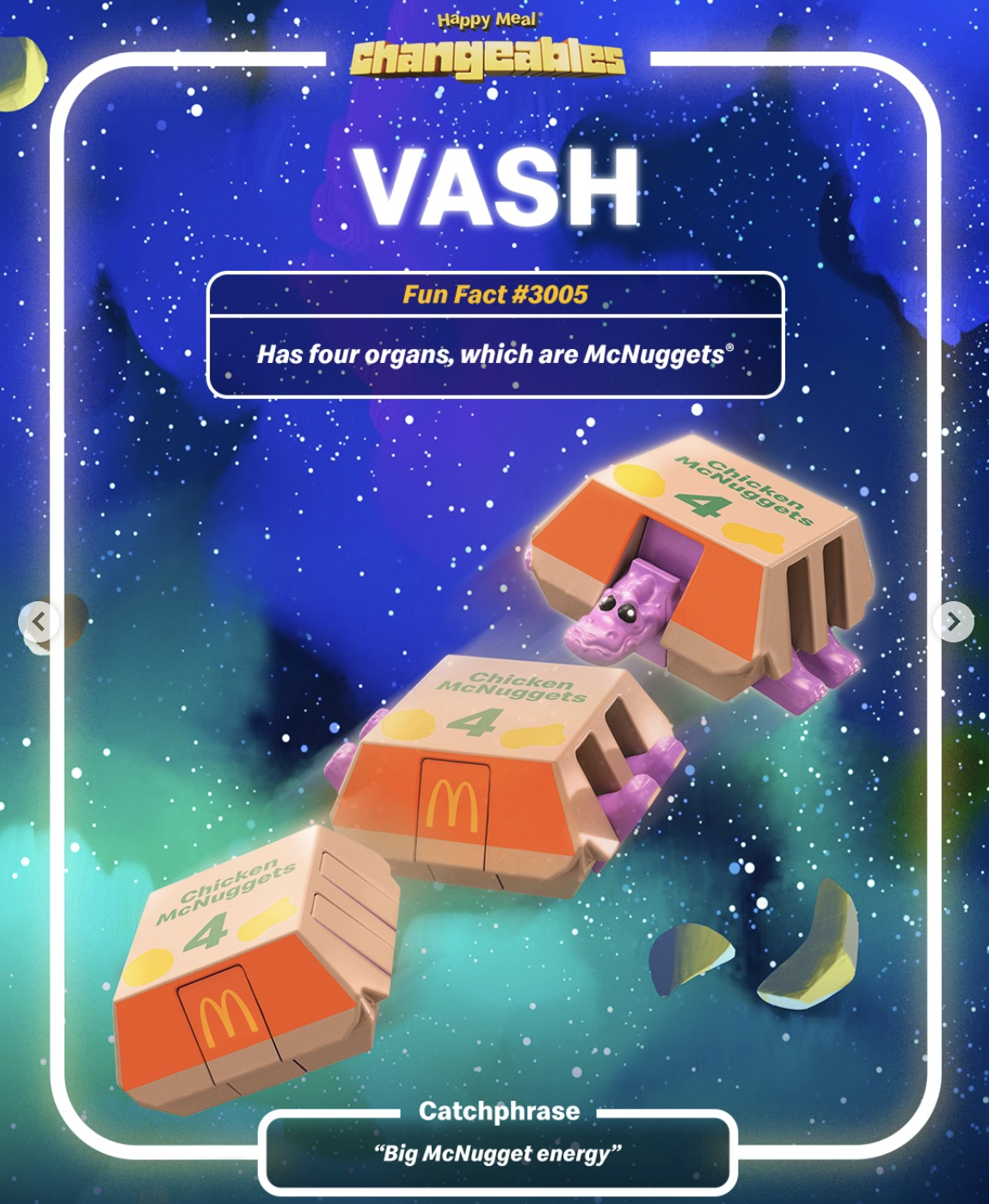
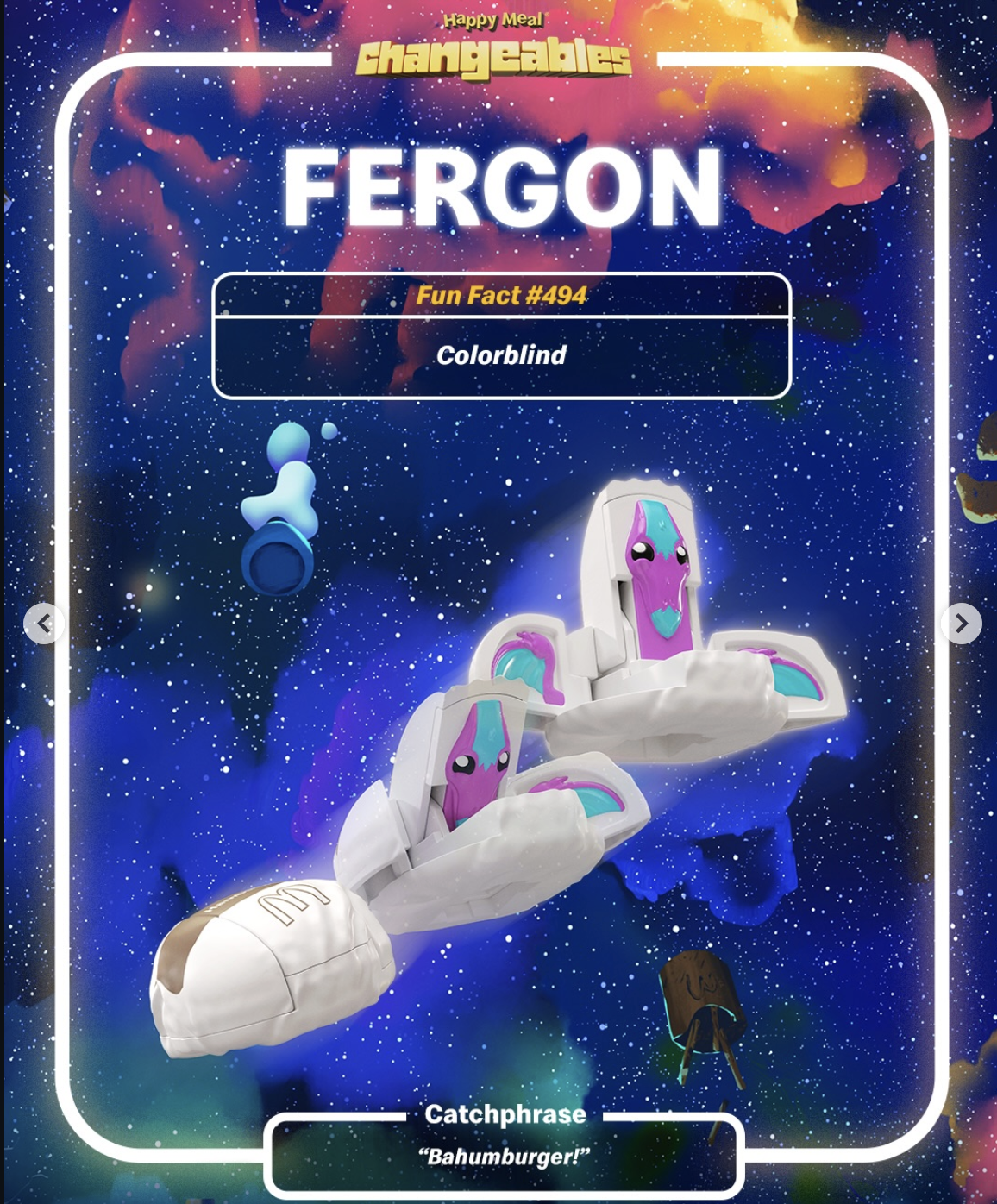
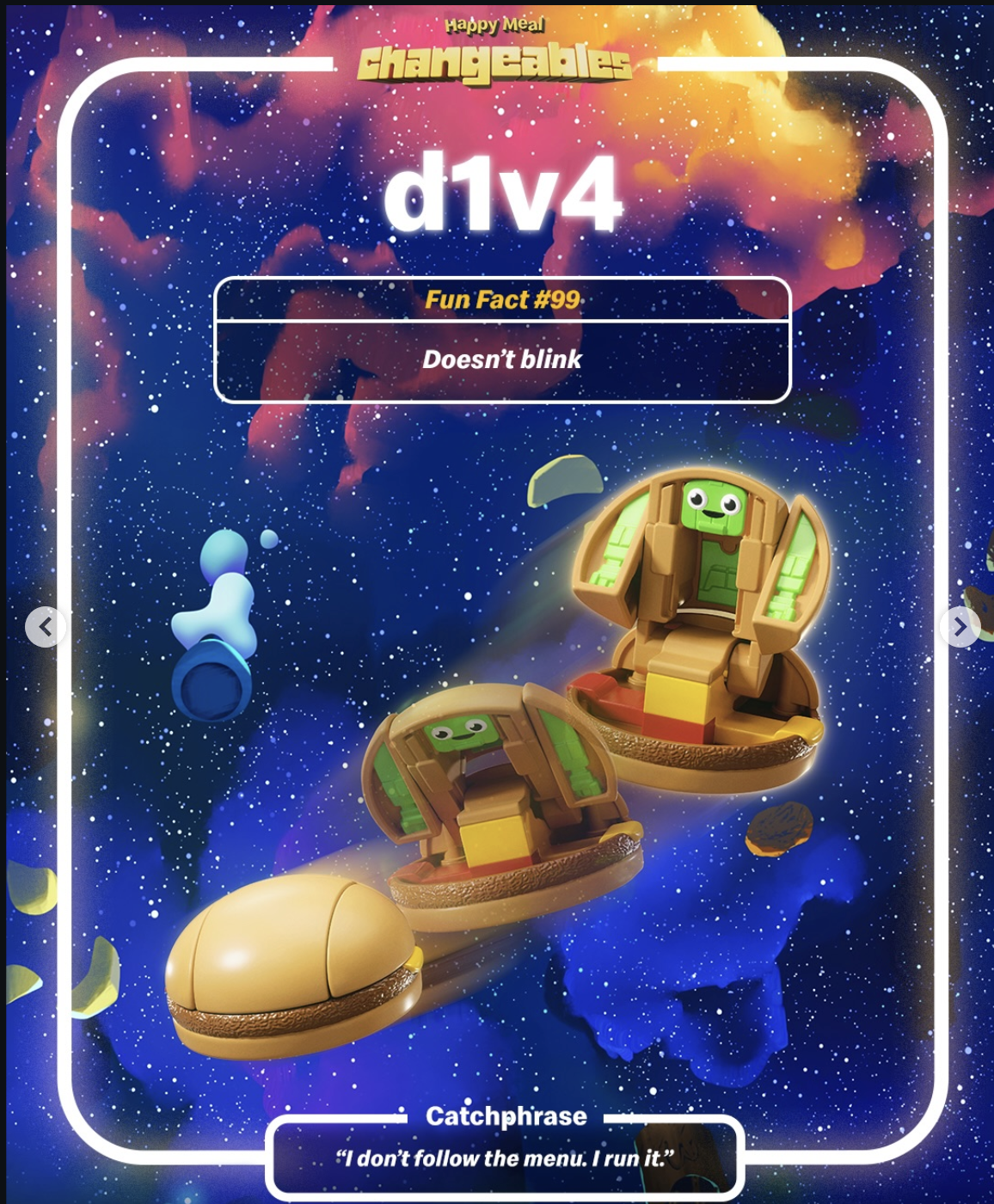
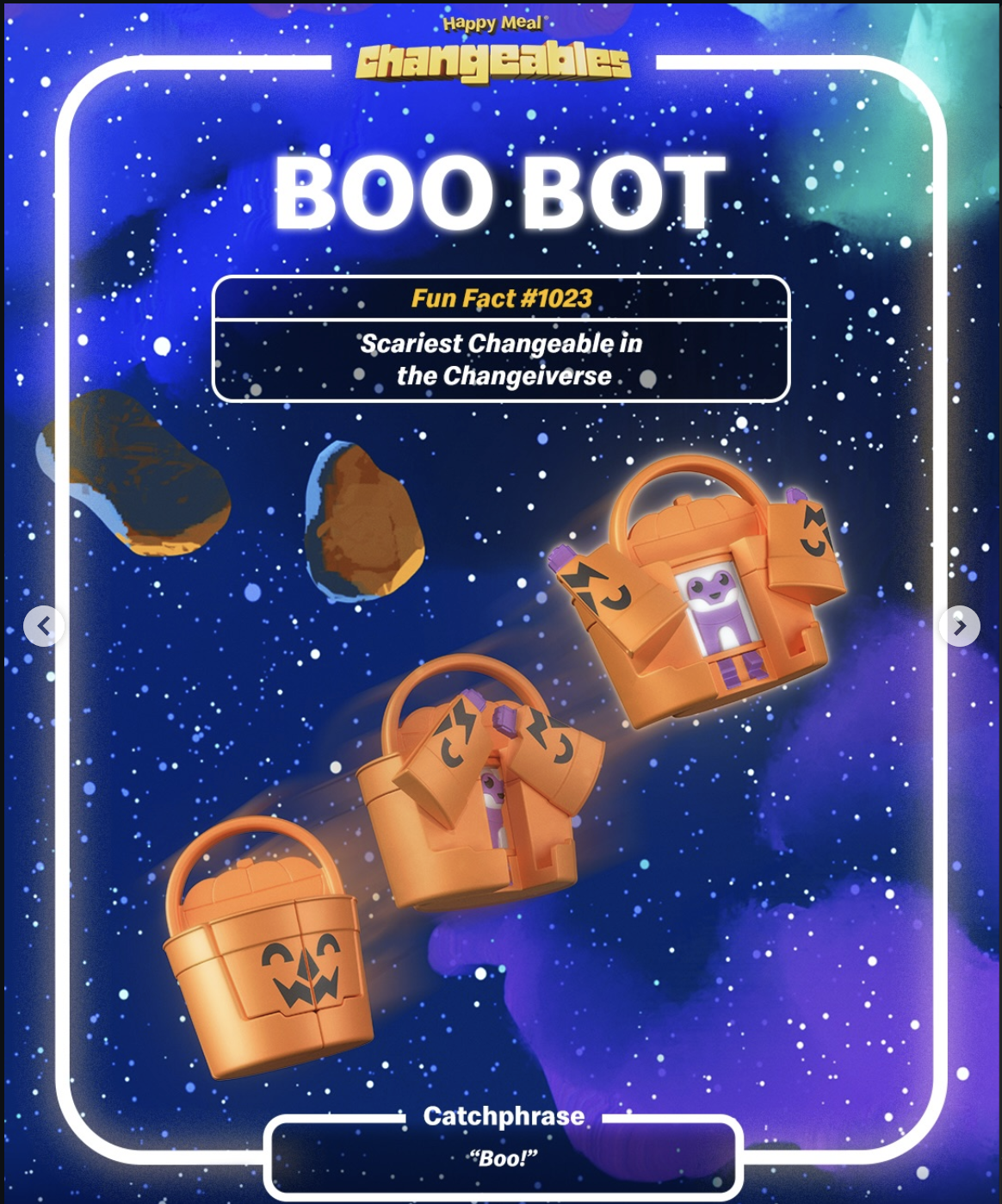
When people hear “multiverse,” they often think of the Marvel Cinematic Universe. Long arcs. Canon. Continuity. But what McDonald’s is doing looks much closer to Fortnite. There’s no master narrative to protect. Instead, they protect the space. Characters, brands, and styles can enter, interact with culture, and leave—without explanation or consequence.
That’s the key insight.
It would be easy to dismiss this as nostalgia marketing—another brand dusting off a beloved artifact to trigger millennial dopamine. And yes, nostalgia is doing some work here. But nostalgia alone doesn’t explain the structure of what McDonald’s is doing. If this were just about looking backward, Changeables would be a one-off throwback, not part of a broader pattern that includes licensed IP, adult collectibles, crossover experiments, and playful multiverse language. Nostalgia might open the door, but what’s happening inside is a modern system designed for speed, flexibility, and cultural remixing.
McDonald’s isn’t building a cinematic universe.
They’re building an IP docking station.
The Happy Meal is a repeatable physical and cultural touchpoint where IP can briefly connect to attention at massive scale, then detach cleanly. No homework required. No fandom gatekeeping. No long-term risk.
That flexibility is the asset.
What this means for travel DMOs
Travel brands don’t need their own “cinematic universe” either. And they definitely don’t need to chase the next platform trend hoping it saves them.
What they do need is a protected sandbox.
An owned space—digital or physical—that can consistently host stories, partners, creators, seasonal narratives, and cultural moments without forcing them into a single storyline. A place where things can arrive, do work, and move on.
For a DMO, that might look like:
• A recurring content format that highlights creators, locals, and visitors without locking into one voice
• A campaign structure that allows seasonal partnerships to plug in and out
• A destination platform that emphasizes participation over perfection
• A brand stance that values continuity of presence, not continuity of plot
This is the infinite game.
The goal isn’t to control the story forever. It’s to build a space worth returning to—one that stays flexible as culture changes, audiences evolve, and new opportunities appear.
McDonald’s figured out something simple and durable: if you own the sandbox, you don’t have to predict the future. You just have to be ready for whoever wants to play next.
That lesson travels well.
Learn more about how we can help you adapt to the evolving marketing landscape and ramp up your efforts.
October 19, 2026
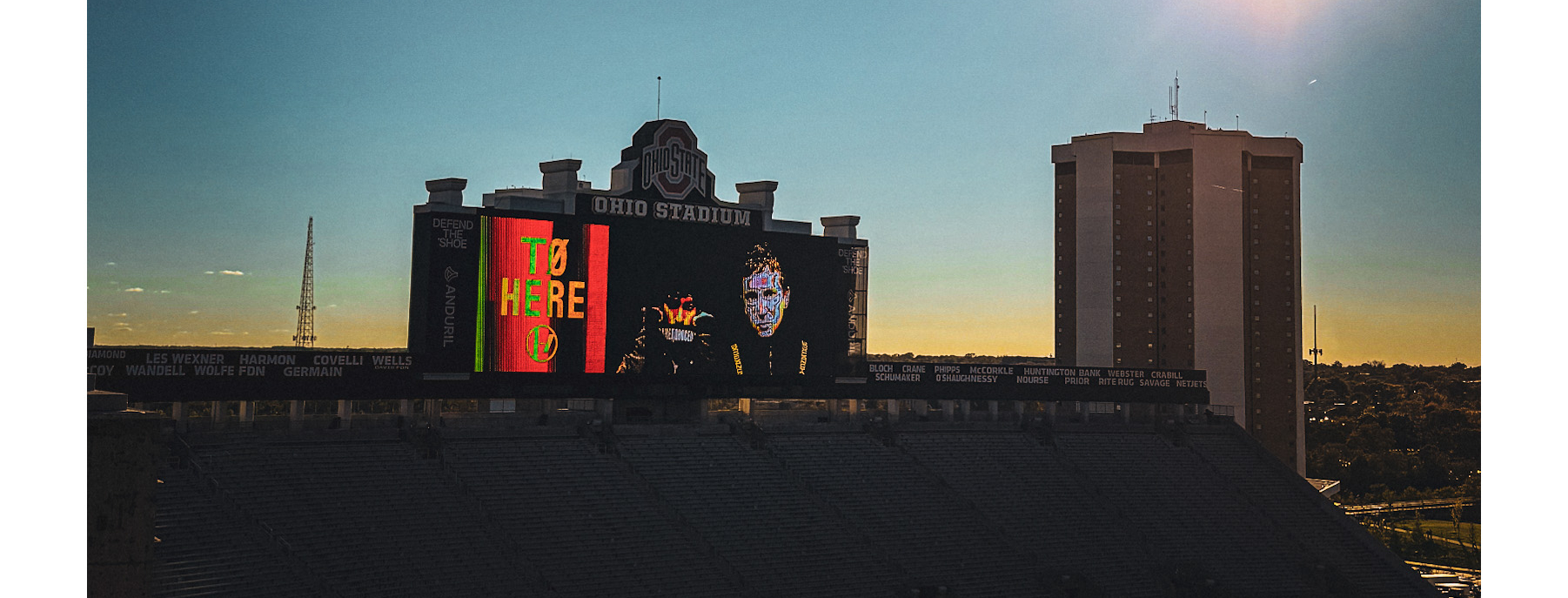
What a hometown concert, a marathon, and nearly 200,000 event attendees can teach us about what makes a destination worth visiting. On a moonlit Saturday evening, cool fall air chilled the 102,000 fans waiting for Twenty One Pilots to begin their largest and longest show to date. Suddenly, Ohio Stadium exploded in a wash of red as every screen and every [...]
October 15, 2026

The future of travel marketing isn't about creating more content. It's about creating something AI can't reproduce without you. There is a fundamental problem emerging in travel marketing, and it has very little to do with whether you're using ChatGPT, Gemini, Claude, or whatever new AI product showed up while I was writing this sentence. The problem is that we have [...]
October 15, 2026
The future of destination marketing isn't simply about being discovered. It's about becoming a destination that travelers, and the AI systems helping them, can trust. Imagine planning the perfect family vacation. You want hiking trails with spectacular views, restaurants worth traveling for, beautiful beaches, and enough activities to entertain the kids. Maybe there's skiing in the winter, incredible shopping, and a quiet [...]

 Ad Choices