

Data Collection & Privacy: What to Know in 2022
Third-party cookies — tracking codes placed on a website by someone other than the site’s owner — are going away soon.
Many browsers have already blocked third-party cookies, and Google plans to remove them from Chrome (the most-used browser) in 2023. With this knowledge comes the importance of gathering firstparty data while being cautious about data collection.
Data provided to Hubspot revealed that 41% of marketers are worried about tracking the correct data with the death of third-party cookies. But don’t panic. Marketers can keep up by pivoting into other ways of collecting information from their audiences.
First-party cookies are still safe, allowing you to gain data from your website viewers on all browsers. That said, if you’ve been relying on significant third-party data for your advertising strategies, you’ll need to shift your efforts to first-party-focused methods in 2022.
Besides first-party data collection, contextual targeting is also becoming more important. With contextual targeting, ads show up based on the current webpage’s content. You can provide the user with a more pleasant ad experience, and they are more likely to show interest in an offering related to what they’re already viewing. Plus, the user stays anonymous since the ad is targeted to the page, making the whole process privacy-friendly. Machine learning that detects sentiment has also increased the effectiveness of display advertising, better ensuring that the ad fits appropriately with the page’s content.
What does this mean for travel marketers in 2022?
Privacy and data collection are constantly changing, but here’s what we know so far:
- The more data you have, the better you can target your audience effectively. DMOs can collect data from sources like email newsletter sign-ups, visitor guides, and customer relationship management (CRM) platforms. Use the data you collect to upload custom audiences and find similar audiences to target on social media. And remember: you can still track valuable first-party analytics about your website visitors.
- Prioritize safety and security. As marketing involves more consumer data, brands should take more precautions with cyber security. PWC data shows that a whopping 85% of consumers don’t feel there are enough companies they can trust with their data. Don’t collect more data than you need, and be transparent with your audience and how you use their data and what you’re doing to ensure a safe online experience.
Learn more about how we can help you adapt to the evolving marketing landscape and ramp up your efforts.
August 28, 2026
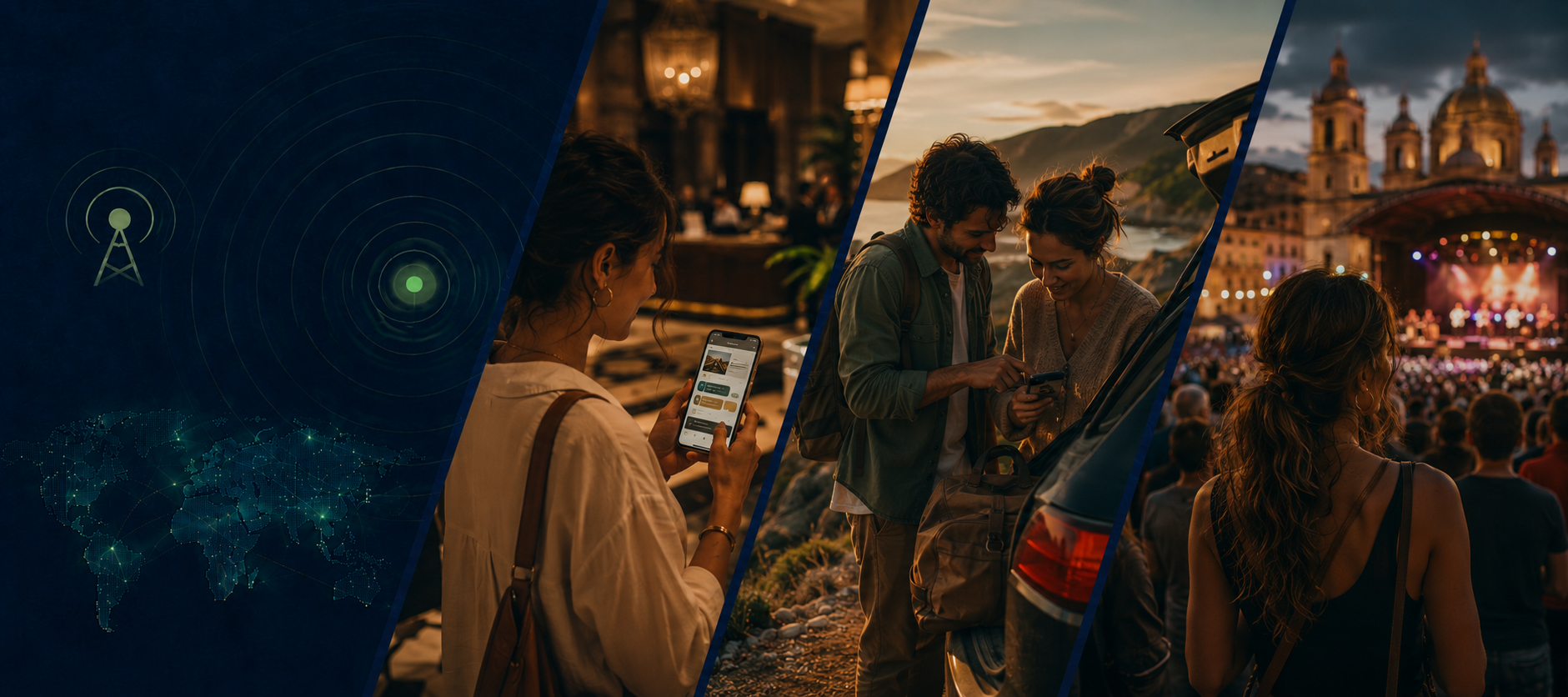
Travel Signals often looks beyond the travel industry for shifts that could reshape how people discover, choose and experience places. This time, the clearest signals are coming from inside travel itself. Across technology, traveler behavior and live events, the path from inspiration to arrival is becoming shorter and more intent-driven. Here are three signals we’re watching and what they could mean for travel marketers.
August 20, 2026

Brands are beginning to celebrate AI visibility when the more important question is whether AI is building the case for them—or against them. Marketing is beginning to make a familiar mistake. We are taking a new form of customer behavior and measuring it with an old model. Search visibility was largely positional: Did we appear, and where did we rank? As customers [...]
August 18, 2026

As we move through the second half of 2026, one travel trend is worth paying attention to: milestone moments are giving people a reason to get away. And for destination marketers, the opportunity may extend well beyond this year.

 Ad Choices