

Travel Signals: Disney Teams Up With Dude Perfect, Google Spotlights Sources and Apple Maps Goes to the Races
Getting someone interested in a destination is one step. Helping them turn that interest into a trip takes more work.
This week on Travel Signals, Disney is building around a creator’s established appeal. Google is making sources more visible inside AI answers. And Apple Maps is helping visitors find their way through one of Austin’s biggest weekends.
Together, these stories offer a useful way to think about destination content: What helps someone care, what helps them commit and what helps them enjoy being there?
Disney is making room for the creator’s way of telling a story
Dude Perfect has built its audience around trick shots, friendly competition and sports comedy.
Disney is giving that formula access to some of its biggest franchises.
The company announced a creative partnership with Dude Perfect on October 15, spanning entertainment, sports, consumer products, parks and experiences. The group will develop original content for its own channels inspired by Disney franchises and events. Selected Dude Perfect content will also appear across Disney platforms.
The interesting part is the fit. Disney’s characters and cultural moments give Dude Perfect new material for the kind of entertainment its audience already chooses to watch.
What it means for travel marketers
A strong creator partnership starts with understanding why people watch that creator.
Maybe they test ambitious recipes. Take their kids on weekend adventures. Find live music in unexpected places. Or photograph familiar locations from an unfamiliar perspective.
Your destination can give that format somewhere to go.
A food creator could follow a regional specialty from the person who grows the ingredients to the restaurant serving it. A family creator could test how much of a rainy day itinerary actually works with young children. A photographer could document one neighborhood from sunrise through its last dinner service.
Those ideas give the creator a story to develop and the audience a familiar reason to watch.
Before your next partnership, review the creator’s recurring series and strongest formats. Then identify an experience in your destination that could support a compelling installment.
The brief gets stronger when you can explain why this particular creator should tell this particular story.
Google is giving sources more room inside AI answers
An AI answer can satisfy someone’s curiosity. It can also introduce a question they need a website to resolve.
Google is making those connections more visible.
In an October 15 announcement, Google outlined updates that place inline links higher in AI Mode and AI Overviews more frequently. It is also testing a dedicated section highlighting official pages for certain tasks and making some related links more prominent.
These changes do not establish that websites will receive more traffic. They do show Google continuing to adjust how people move between an AI response and its sources.
What it means for travel marketers
Give travelers something useful to do after they’ve read the summary.
Someone may already know that your destination has hiking trails, a walkable downtown and a popular food festival. What they still need is help making those experiences work for their trip.
Which trail is suitable after heavy rain? What’s open downtown on a Monday? Does the festival require separate tickets for children?
A page with current details and a clear next step has a purpose beyond introducing the destination.
Review five priority pages and ask: what can someone accomplish here that a summary can’t finish for them?
They might compare accessible routes, check an updated schedule, reserve a tour or follow an itinerary with realistic travel times.
Then make that task easy to find and complete.
Useful content gives people a reason to click. The experience after the click needs to deliver on that reason.
Apple Maps is helping visitors find their way through race weekend
A major event brings visitors to town. Their experience extends well beyond the venue.
Chron reported on October 15 that Apple Maps introduced more detailed mapping for Austin ahead of the United States Grand Prix. The update includes enhanced city landmarks and navigation around Circuit of the Americas, plus a local guide developed with Austin musician Dylan Gossett.
It’s a reminder that knowing where you want to go and understanding how to spend your time there are different needs.
What it means for travel marketers
An event calendar establishes what’s happening. Visitors need help planning everything around it.
Where can they eat before the gates open? How long should they allow to get there? What’s still open afterward? Is there enough time to explore another neighborhood before heading home?
Those details influence how much of the destination someone actually experiences.
For your next major event, build a companion guide around those decisions. Include a pre-event meal, a realistic post-event option and a plan for an extra morning.
Add transportation guidance, current hours and travel times. Coordinate with event organizers and local businesses so the recommendations work with the actual schedule.
A visitor who understands what fits around the main event has more opportunities to enjoy the place hosting it.
The Bigger Picture
These stories connect three jobs destination content needs to do.
Give someone a reason to care. Help them make a decision. Make the experience easier to enjoy.
A creator’s familiar format can introduce a place through something the audience already loves. A useful website can help someone finish planning. Practical local guidance can help a visitor spend more of their trip participating.
Look at one priority experience in your destination through all three questions.
Why would someone want to watch a story about it? What would they need to decide before going? What would help them once they arrive?
The answers can shape a connected content plan, from the first moment of interest through the visit itself.
Learn more about how we can help you adapt to the evolving marketing landscape and ramp up your efforts.
October 22, 2026
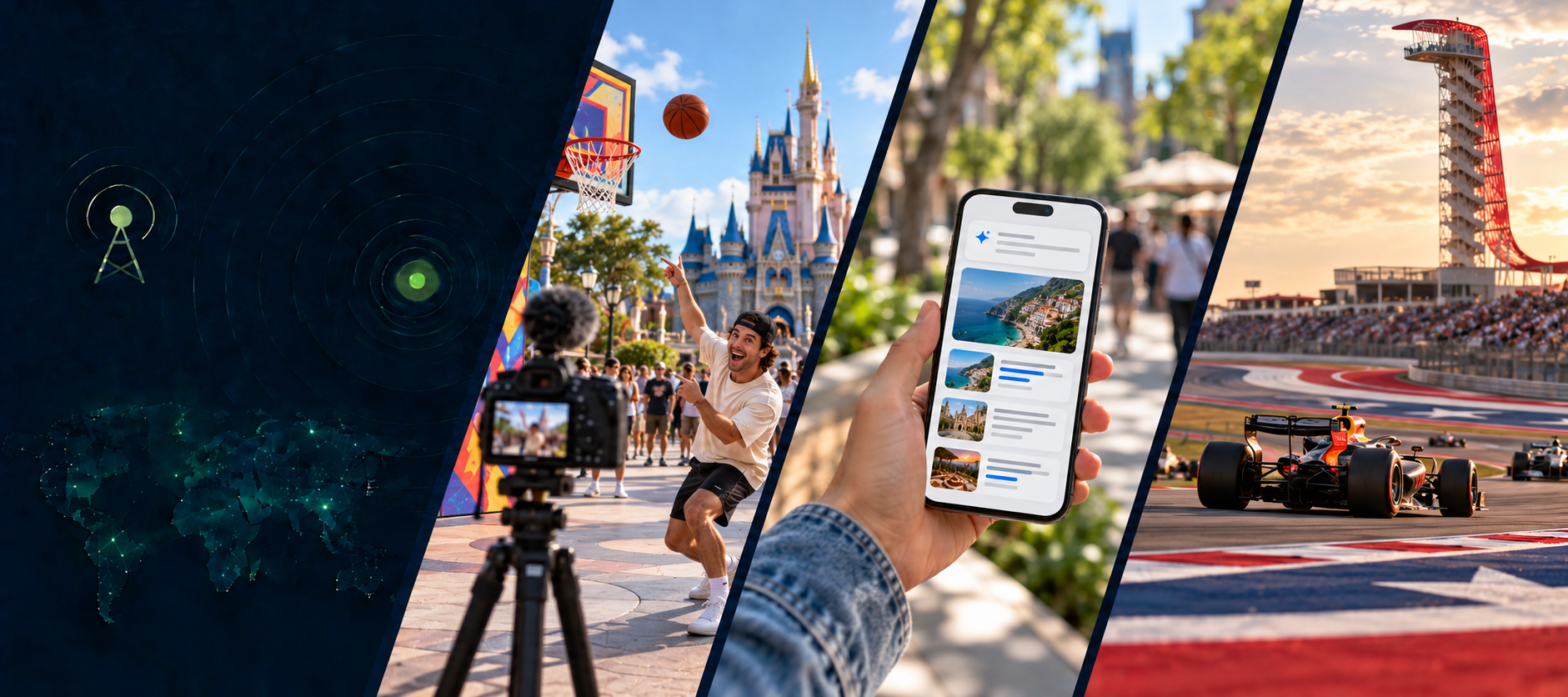
This week on Travel Signals, Disney is building around a creator’s established appeal. Google is making sources more visible inside AI answers. And Apple Maps is helping visitors find their way through one of Austin’s biggest weekends.
October 19, 2026
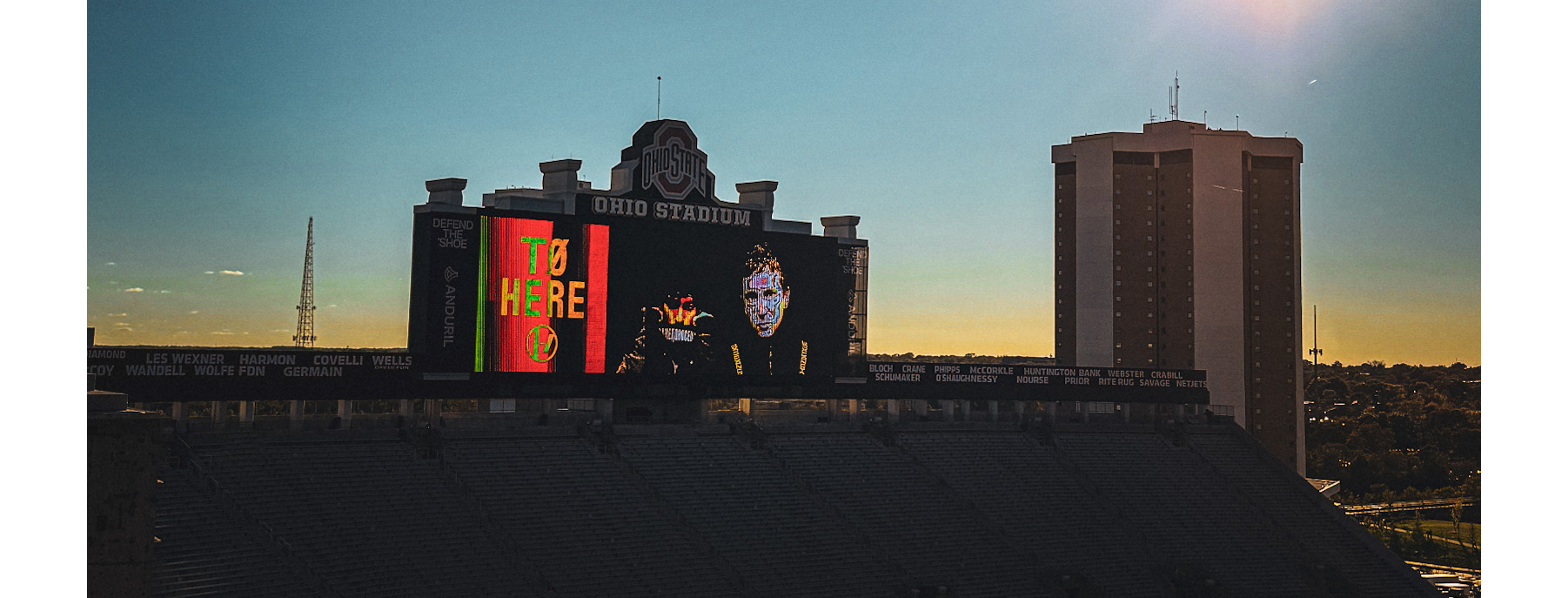
What a hometown concert, a marathon, and nearly 200,000 event attendees can teach us about what makes a destination worth visiting. On a moonlit Saturday evening, cool fall air chilled the 102,000 fans waiting for Twenty One Pilots to begin their largest and longest show to date. Suddenly, Ohio Stadium exploded in a wash of red as every screen and every [...]
October 15, 2026
The future of travel marketing isn't about creating more content. It's about creating something AI can't reproduce without you. There is a fundamental problem emerging in travel marketing, and it has very little to do with whether you're using ChatGPT, Gemini, Claude, or whatever new AI product showed up while I was writing this sentence. The problem is that we have [...]

 Ad Choices