

The Stories We Tell Ourselves
Earlier this week, I taught a graduate class on effective communication at the University of Michigan. I brought four stories I have used in keynotes and, after telling each one, broke down what made it work. Where did the audience become curious? Which detail carried the idea? What changed in the way they understood the subject?
The question underneath all of that was simple: What will someone carry out of the room?
For a destination marketer, that question travels pretty well. What does someone carry away from your video, your website or a conversation with someone in your community? What have you helped them see that makes your destination worth considering?
Knowing a place well should help you answer those questions. Familiarity can also get in the way.
You drive past the same building every day. You have eaten at that restaurant a hundred times. You know the person who makes the thing people travel to buy. Eventually, the remarkable becomes part of the background. You still know it is there. You have stopped explaining why someone else should care.
Expertise should help someone else see
One of the stories I used involves conservationist Paul Rosolie and his guide reading tracks on a beach in the Amazon. Paul sees tracks. The tracker can read an event. The signs are there for both of them, but experience allows one person to understand what happened.
That is a useful way to think about the expertise inside a destination.
A visitor sees a street. Someone who knows the neighborhood can explain why the storefronts look that way, what changed when the factory closed or why people still gather there on Friday nights. That knowledge gives the visitor another way to experience the place.
The marketing opportunity lives in making that knowledge available. Calling the neighborhood “historic” leaves most of the interesting work undone. Which history? What can someone still see? Who can help them understand it?
My Saline Lectronics story arrives at a related problem: wonder dies from overexposure. Spend enough time around something and you can forget what makes it remarkable to someone encountering it for the first time.
That should concern anyone whose job is to invite people somewhere new. Your daily surroundings are someone else’s first encounter. Your content needs to leave room for that difference.
A traveler needs to picture a day
Another story follows Maya, a fictional traveler whose day unfolds through a series of interactions with AI systems. It is an illustrative scenario, a way to make an abstract idea concrete. The audience can follow a person and the consequences of each decision before we pull back to discuss the technology.
Destination content can do similar work by showing how a visit actually unfolds.
Imagine someone with a few hours between arrival and hotel check-in. What can they reasonably do? Where can they leave their bags? Can they get there without renting a car? Does the experience still work if it rains?
A page that answers those questions helps someone picture a usable afternoon. A list of attractions makes them assemble that afternoon themselves.
That is where local knowledge earns its place in the content. The detail that feels too ordinary to mention might be the detail that makes the trip possible.
The promise needs an experience behind it
I also paired two retail experiences: a shoe shop where someone paid attention to the customer and a fudge shop where an employee kept eating her salad. The contrast gives the audience something concrete to judge. The salad does a lot of work.
For travel marketers, it raises a question about what we mean when we promise hospitality. We can put “welcoming” on a website. The visitor finds out what it means when they need directions, arrive late or ask a question someone has already answered twenty times that day.
A campaign can create an expectation that the experience then has to earn. Stories drawn from real encounters can show where that promise holds up. They can also expose where it needs work.
Those observations belong in conversations with partners as well as in the next creative brief. If your destination’s strongest claim is how people treat visitors, you need to understand what happens when a visitor actually needs help.
Specificity gives people a reason to choose
This has a direct connection to discovery. Google’s guidance for its generative AI search features calls for non-commodity content: original perspectives and useful knowledge that goes beyond what anyone could produce from common information. Its guidance also points to first-hand experience as a source of that value.
For destination marketers, the implication is clear: the knowledge you have stopped noticing is worth recovering.
A claim about “something for everyone” gives a traveler very little basis for a decision. An explanation of which experience suits a particular visitor, why it suits them and what they need to know before going gives them something to evaluate. It also gives search systems specific information to work with.
The story earns interest. Accurate details help someone act on it. Both need to describe the place a visitor will actually encounter.
Before commissioning another round of content, choose one page that is supposed to explain why someone should visit. Remove the adjectives and read what remains. Is there still a reason to choose your destination? Is there something on that page that required someone to spend time there?
If the answer gets uncomfortable, take someone who has never been to the place and pay attention to what they notice. Ask what surprised them. Ask what they still cannot figure out.
You may discover that your next story has been sitting in front of you for years. You just got used to it.
Learn more about how we can help you adapt to the evolving marketing landscape and ramp up your efforts.
October 14, 2026
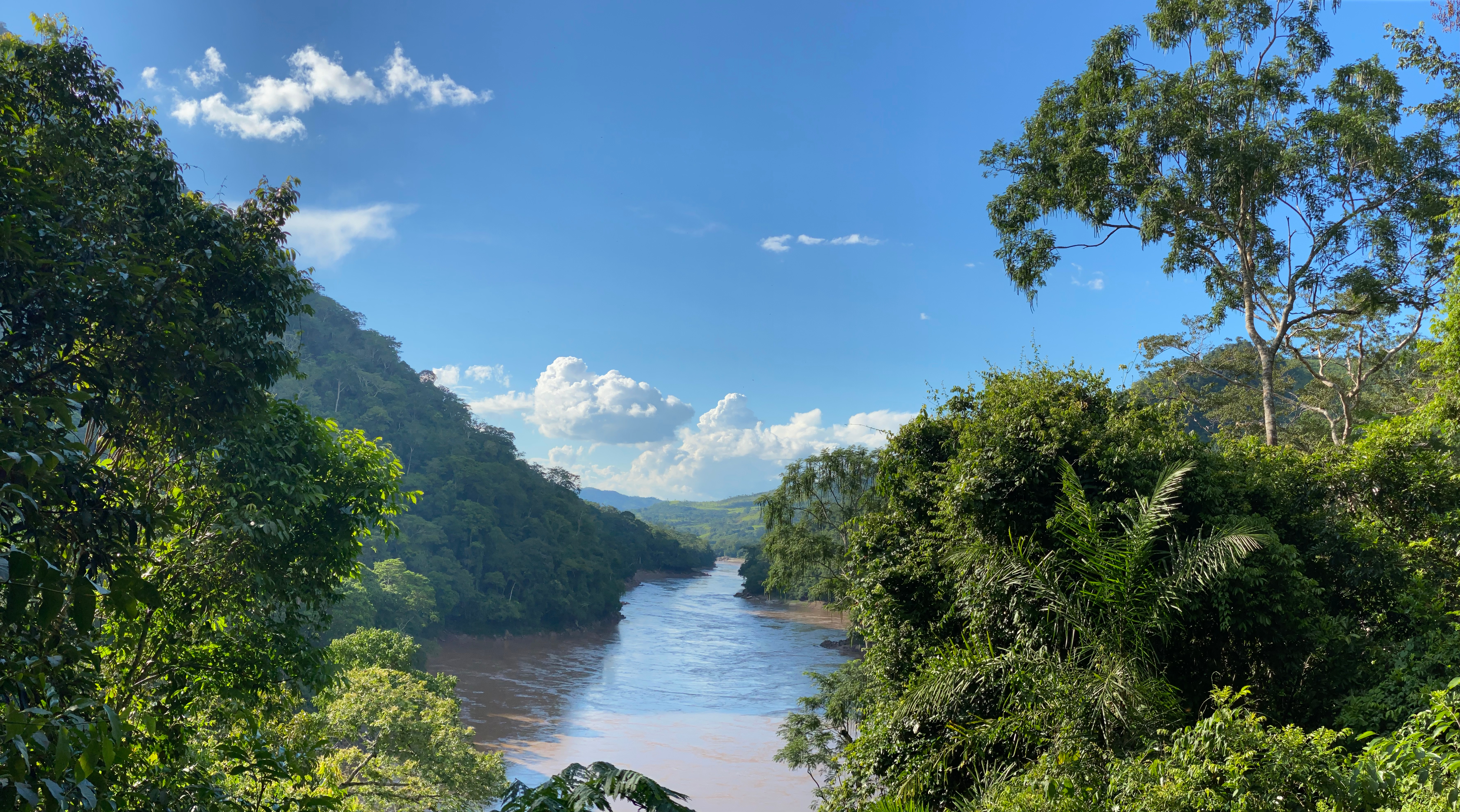
Earlier this week, I taught a graduate class on effective communication at the University of Michigan. I brought four stories I have used in keynotes and, after telling each one, broke down what made it work. Where did the audience become curious? Which detail carried the idea? What changed in the way they understood the subject? The question underneath all of [...]
October 9, 2026
This week, brands are borrowing from nightlife to earn a place in people’s calendars. Facebook and Instagram are testing feeds that put video first. And consumers are continuing to spend despite their frustration with the economy.
October 9, 2026

A recent honeymoon in Greece gave Marketing Manager Sara Dyer a firsthand look at a familiar tension in destination marketing: the push to discover somewhere different, even when the iconic experience is exactly what a traveler wants.

 Ad Choices