

Travel Signals: Brands Throw Parties, Video Takes the Front Seat and Consumers Keep Spending
A destination competes for more than someone’s vacation days. It competes for their attention, their social plans and the money they’re willing to spend.
This week on Travel Singals, brands are borrowing from nightlife to earn a place in people’s calendars. Facebook and Instagram are testing feeds that put video first. And consumers are continuing to spend despite their frustration with the economy.
Together, these stories raise a useful question for travel marketers: Are we giving people enough reason to choose us?
Brands are acting like nightclub promoters
Most people probably wouldn’t put a LinkedIn event on their nightlife calendar.
Add John Summit and Spotify, and the invitation changes.
The Wall Street Journal reports that brands are hosting dance parties and other culturally relevant events to attract consumers and content creators. LinkedIn and Spotify’s office-themed party featuring Summit is one example.
The experience gives people a reason to show up. Their coverage gives it a life beyond the room.
What it means for travel marketers
Destinations already have what other brands are spending money to create: places where people gather around something they care about.
A neighborhood music scene. A weekly night market. A restaurant pop-up that locals plan their weekend around.
The opportunity is to make those scenes easier for visitors to enter.
An event listing tells someone when the doors open. Strong destination content helps them picture themselves walking through those doors.
Who goes? What does it feel like? Do you need tickets? Can you come alone? Where should you eat beforehand?
Build a weekend campaign around one existing local scene and answer those questions. Give visitors a way into the experience, then connect it to the surrounding neighborhood.
A destination’s social life can become a reason to make the trip.
Video is becoming the front door to the feed, past Tiktok.
For years, social platforms have encouraged people to watch more video.
Now they’re testing what happens when video is the first thing people see.
The Verge reports that Facebook and Instagram are testing experiences that open directly into full-screen video or Reels. The tests are limited, and a broader rollout is not guaranteed.
But they offer another indication of where platforms are placing their attention.
What it means for travel marketers
A traveler’s first encounter with your destination may be a recommended video from an account they’ve never heard of.
That video has to introduce itself.
A scenic montage can be attractive and still leave someone wondering where they are, what they’re watching and why they should keep watching.
The next content audit should include a simple test: Would this make sense to someone who knows nothing about us?
Review your last ten videos. Look for a specific experience in the opening, an identifiable location and enough context to help someone take the next step.
A baker pulling the morning’s first batch from the oven gives someone a moment to enter. The bakery’s name, neighborhood and opening hours help turn that moment into a plan.
Each video should give an unfamiliar viewer something worth watching and somewhere to go with that interest.
Consumers are worried about prices and still making purchases
Consumer sentiment and consumer spending don’t always tell the same story.
The Wall Street Journal reports that Americans are continuing to spend on food, travel and other purchases, even as they express frustration with inflation and the economy.
That tension matters. People can feel financially cautious and still decide an experience deserves a place in their budget.
What it means for travel marketers
“Affordable getaway” only answers part of the traveler’s question.
They also want to know where spending more will make the trip better.
A generic promise of value leaves them to figure that out. Specific guidance helps them make the decision.
Create a “save here, spend here” itinerary. Pair a free afternoon exploring a neighborhood with a paid food tour. Suggest an inexpensive breakfast before a memorable dinner. Explain what a guided experience adds that someone would miss on their own.
Include realistic prices and what those prices cover.
This gives budget-conscious travelers room to make choices without treating every purchase as something to minimize.
Help people understand which parts of the trip deserve their money.
The Bigger Picture
These stories reveal three decisions destination marketing needs to support.
Is this worth my time? Is this worth my attention? Is this worth my money?
A local scene gives someone a reason to participate. A specific video helps them recognize the appeal. Clear spending guidance helps them commit.
For travel marketers, that creates a useful standard for content: make the experience recognizable, make participation approachable and make the value concrete.
The more clearly someone can picture the trip, the easier it becomes to choose it.
Learn more about how we can help you adapt to the evolving marketing landscape and ramp up your efforts.
October 9, 2026
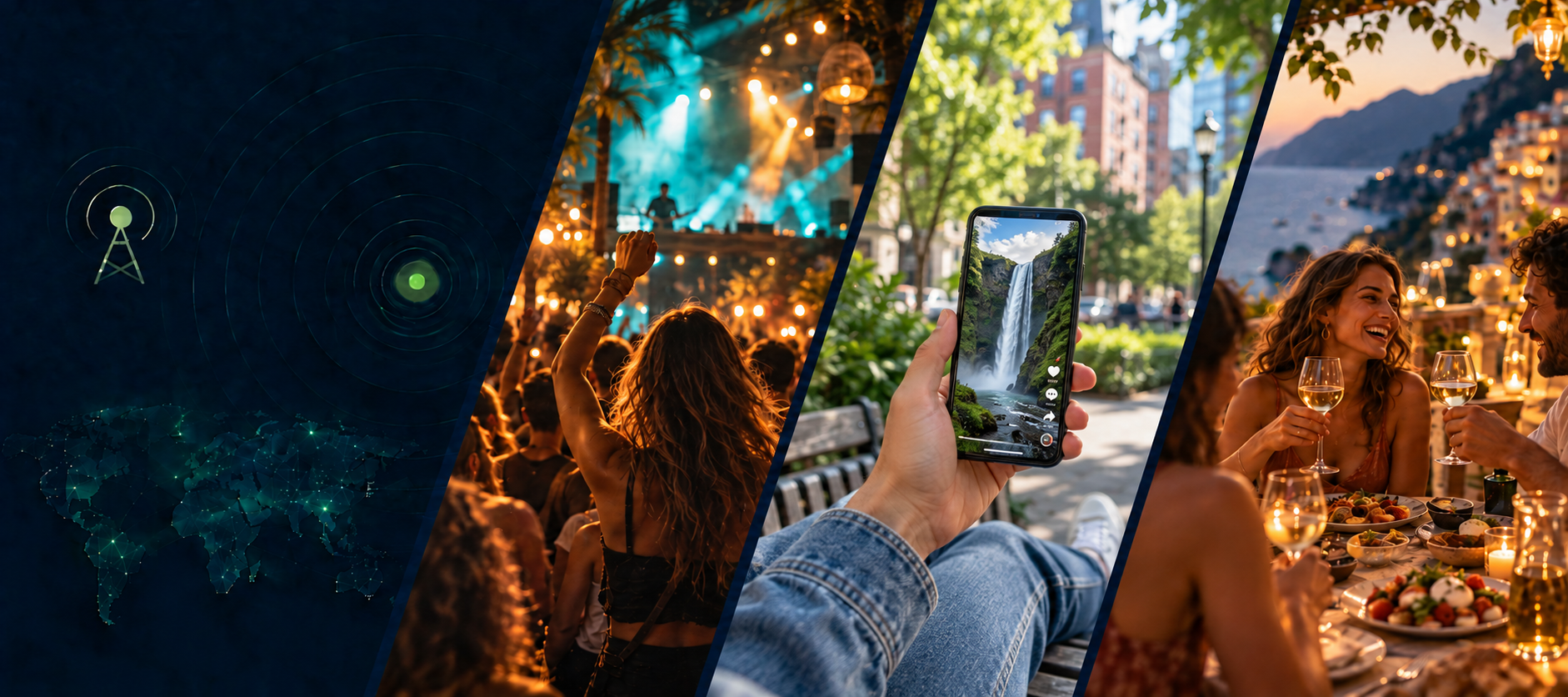
This week, brands are borrowing from nightlife to earn a place in people’s calendars. Facebook and Instagram are testing feeds that put video first. And consumers are continuing to spend despite their frustration with the economy.
October 9, 2026
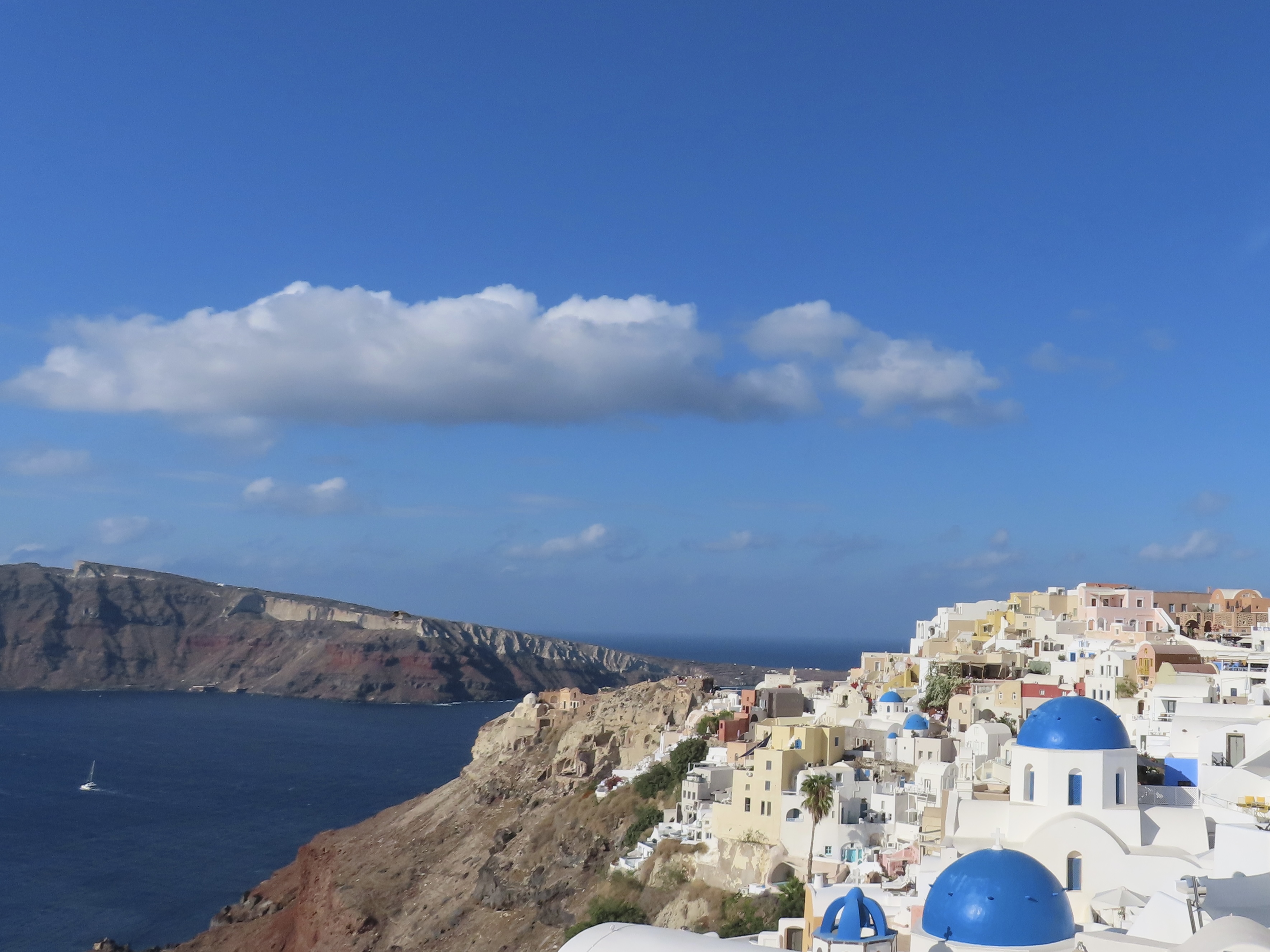
A recent honeymoon in Greece gave Marketing Manager Sara Dyer a firsthand look at a familiar tension in destination marketing: the push to discover somewhere different, even when the iconic experience is exactly what a traveler wants.
October 5, 2026

Sometimes You Just Had to Be There “You had to be there.” Usually when we say that, we mean the story isn’t doing the moment justice. You can show someone the pictures. You can send them the videos. You can explain exactly what happened. But none of it quite recreates what it felt like to actually be in the room. The [...]

 Ad Choices