

What’s changed since last year—and what it means for how destinations get discovered now
Insights from DMOs across the country on budgets, measurement, AI, and storytelling—plus how destinations are adapting to drive real impact in a changing travel landscape.
Last year, we introduced AI for Travel. Since then, AI has moved deeper into how travelers search, plan, and decide.
It’s no longer just supporting inspiration. AI is now influencing more of the traveler journey—shaping what gets surfaced, how options are compared, and how quickly decisions are made.
AI for Travel 2.0 is a focused update on what’s changed—and how destination marketing needs to adapt right now.
WHAT YOU’LL FIND INSIDE
- What’s changed in AI-driven travel discovery
- How visibility is shifting across search and AI surfaces
- Where traditional content strategies are losing traction
- What leading destination teams are doing differently
- A practical view of how to move forward
WHY THIS MATTERS
- The way destinations get found is evolving quickly.
- Travelers are getting answers faster.
- Destinations that adjust early will be better positioned as these shifts accelerate.
- And the signals that determine visibility are changing.
- Fewer steps are separating discovery from decision.

FILL OUT THE FORM TO DOWNLOAD YOUR WHITEPAPER
Share This Story, Choose Your Platform!
October 22, 2026
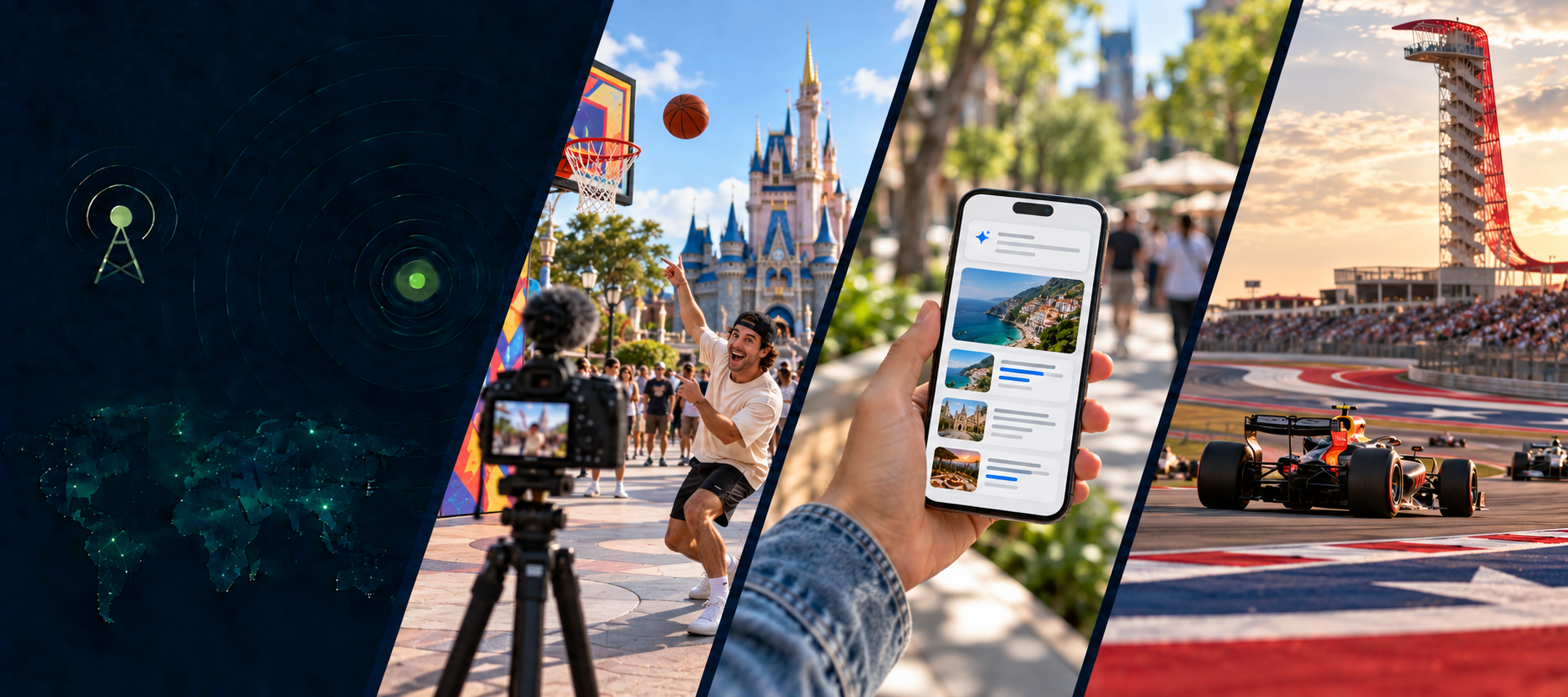
This week on Travel Signals, Disney is building around a creator’s established appeal. Google is making sources more visible inside AI answers. And Apple Maps is helping visitors find their way through one of Austin’s biggest weekends.
October 19, 2026

Several Advance Travel & Tourism clients earned recognition at the Mississippi Tourism Association’s 2026 Tourism Awards Program, with honors spanning destination leadership, research, partnership and industry service.
October 19, 2026
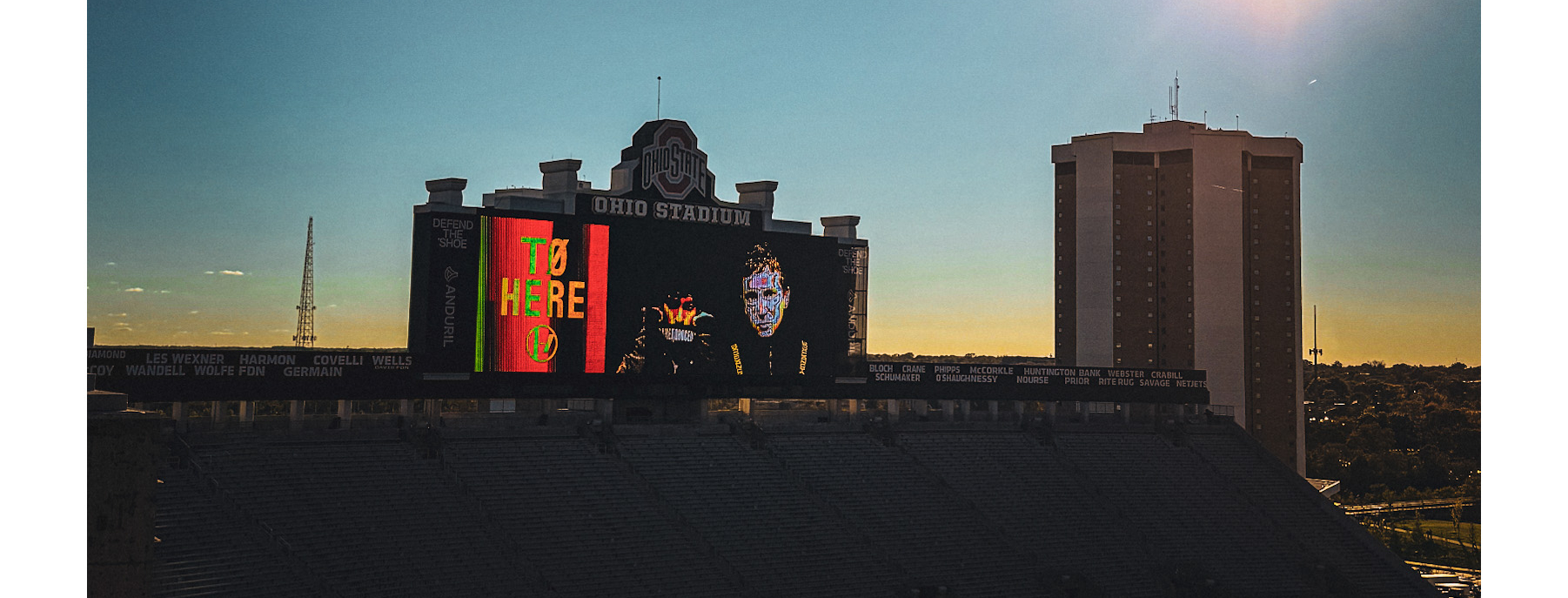
What a hometown concert, a marathon, and nearly 200,000 event attendees can teach us about what makes a destination worth visiting. On a moonlit Saturday evening, cool fall air chilled the 102,000 fans waiting for Twenty One Pilots to begin their largest and longest show to date. Suddenly, Ohio Stadium exploded in a wash of red as every screen and every [...]

 Ad Choices