

WE LIVE IN A MOBILE WORLD, BUT DON’T FORGET DESKTOP!
We live in the age of mobile technology. An individual who does not own a smartphone is a rarity that I’m not sure exists anymore. Naturally, advertisers and marketers have devoted a lot of attention to mobile platforms.
Our mobile devices require different message formatting and channels previously unavailable via desktop. Snapchat is only available through mobile devices and requires vertical digital content. Instagram is meant to be accessed through mobile devices, and its “story” feature is only visible on a mobile device. These are only a couple examples of the newest mobile-focused platforms used by marketers.
With so much emphasis being put on the up-and-coming capabilities of mobile devices, it’s easy to forget the original Internet marketing platform: the desktop. It’s important to include mobile in your marketing strategies, but don’t underestimate the power of desktop! It’s being overshadowed by mobile, but discounting it in your marketing strategies could be hurting business. Still not convinced?
Mobile device usage is increasing- 77% of Americans own a smartphone! But that does not mean desktop usage is decreasing. People are using their smartphones and other mobile devices to access the Internet during times they previously did not, like early morning and weekends. Weekday Internet traffic, though, is still led by the desktop.
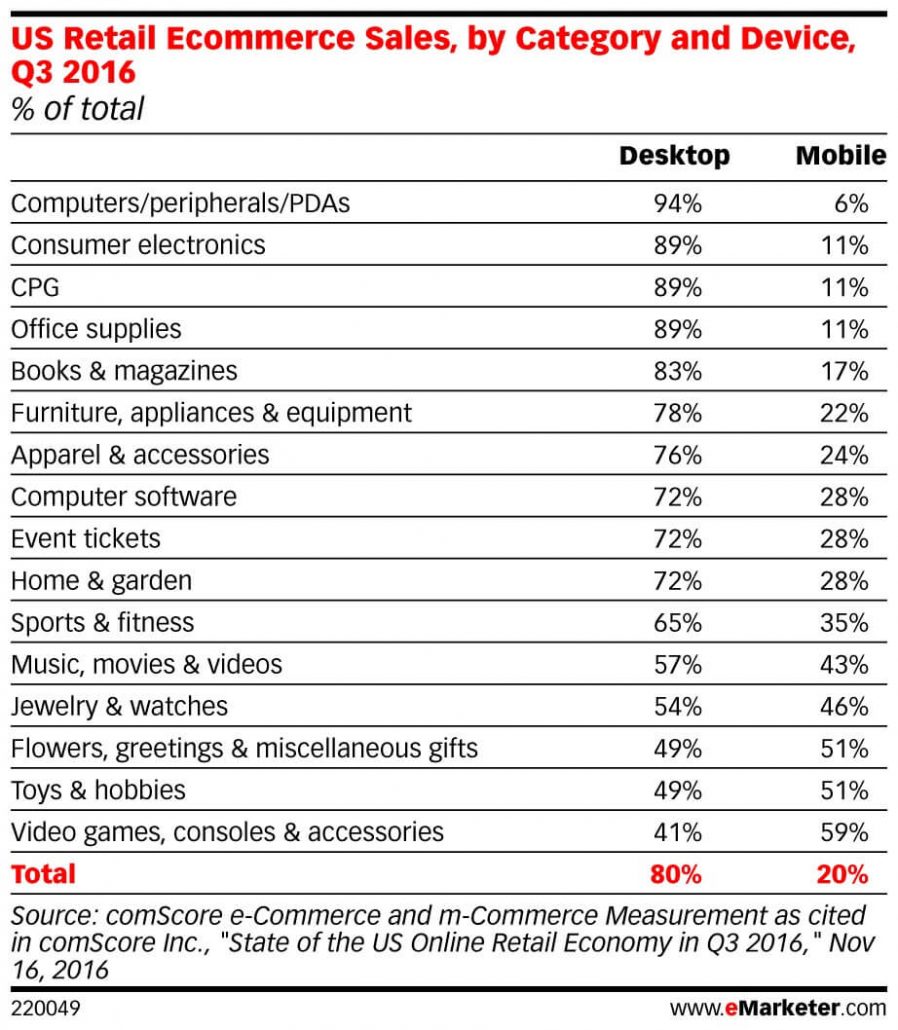
Mobile conversion rates are also significantly lower than desktop. An average of 80% of conversions are taking place on desktops, a stark contrast from mobile’s 20% conversion rate. Although conversion rates vary among categories, desktop is the clear winner of the two platforms.
Contact us today to learn more about our digital advertising solutions for destination marketers.
Learn more about how we can help you adapt to the evolving marketing landscape and ramp up your efforts.
August 28, 2026
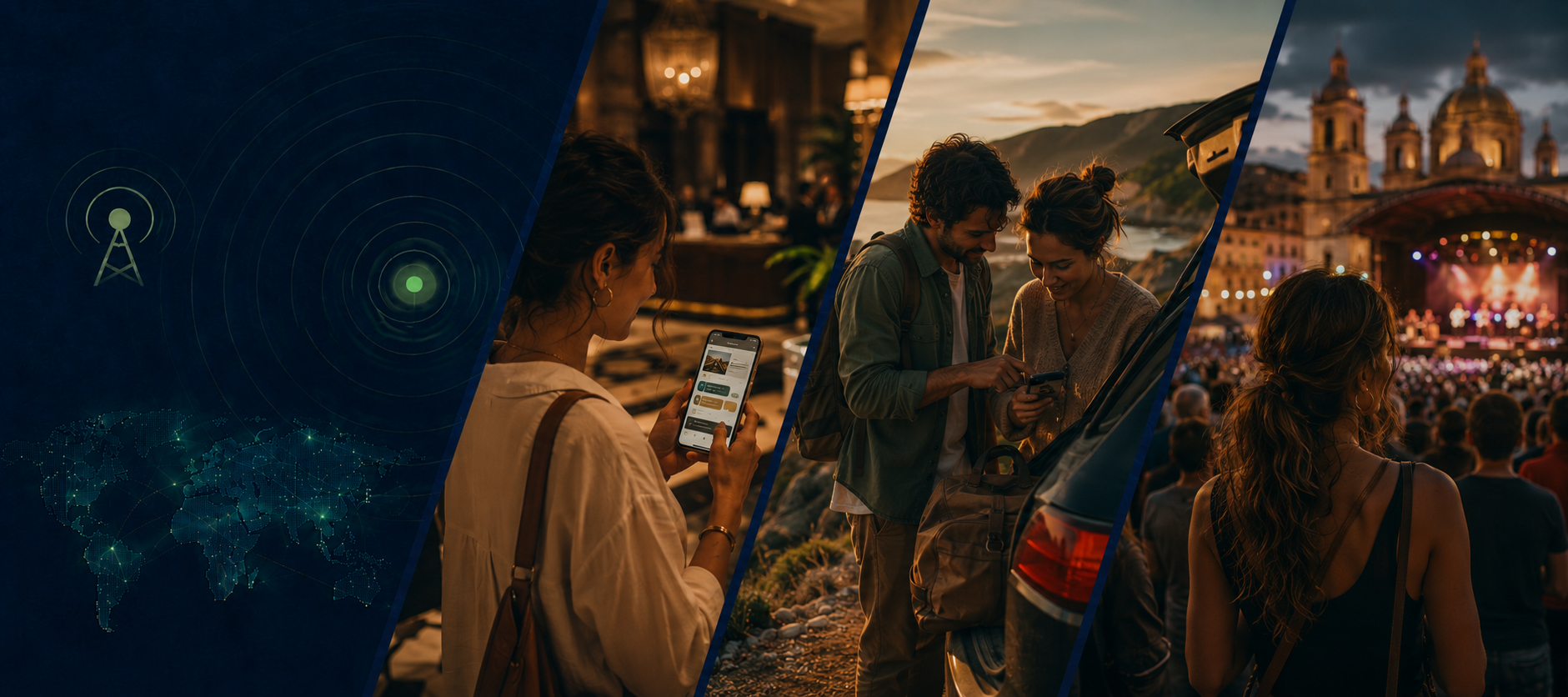
Travel Signals often looks beyond the travel industry for shifts that could reshape how people discover, choose and experience places. This time, the clearest signals are coming from inside travel itself. Across technology, traveler behavior and live events, the path from inspiration to arrival is becoming shorter and more intent-driven. Here are three signals we’re watching and what they could mean for travel marketers.
August 20, 2026

Brands are beginning to celebrate AI visibility when the more important question is whether AI is building the case for them—or against them. Marketing is beginning to make a familiar mistake. We are taking a new form of customer behavior and measuring it with an old model. Search visibility was largely positional: Did we appear, and where did we rank? As customers [...]
August 18, 2026

As we move through the second half of 2026, one travel trend is worth paying attention to: milestone moments are giving people a reason to get away. And for destination marketers, the opportunity may extend well beyond this year.

 Ad Choices