

You Had to Be There
Sometimes You Just Had to Be There
“You had to be there.”
Usually when we say that, we mean the story isn’t doing the moment justice. You can show someone the pictures. You can send them the videos. You can explain exactly what happened. But none of it quite recreates what it felt like to actually be in the room.
The problem is that increasingly, when we are in the room, we’re also trying to document it.
Think about the last concert you attended. The artist walks on stage and hundreds of phones immediately go into the air. A favorite song starts and everyone hits record. Before long, you’re watching the performance through the screen of the person standing in front of you instead of looking at the stage.
That has simply become part of the experience.
But there’s an interesting countertrend developing: experiences designed specifically to make the phone less important.
At one comedy show I attended, everyone’s phone was locked inside a pouch. At first, losing access to something I reach for almost automatically felt strange. But once the show started, nobody was checking notifications. Nobody was filming. Nobody was wondering whether they should capture what was happening instead of simply watching it.
And increasingly, event organizers are experimenting with that same idea without necessarily taking the phone away entirely.
Artist Fred again.. recently tried an approach I find particularly interesting. Fans at a series of shows were asked to cover their phone cameras with stickers. After the show, attendees received access to professional photos and video from the night.
You enjoy the show. Someone else gets the footage.
You still leave with something you can post, send to a friend or look at later. You just don’t spend the experience producing it yourself.
Because phones aren’t only distracting us from experiences. Cameras can change the way we behave inside them.
A New York party called Who Is Dancing? covers attendees’ front- and rear-facing cameras. Without the possibility of constantly being filmed, attendees told Vox they found themselves talking with strangers and dancing more freely.
That makes sense. Once every person around you has a camera, you aren’t simply dancing anymore. Part of your brain is thinking about what you look like dancing.
You aren’t just laughing, eating or trying something new. You’re also aware that you could become someone else’s content.
And that awareness changes participation.
According to Eventbrite, phone-free experiences increased more than 500% globally between 2024 and 2025. Travel companies are experimenting too. FTLO Travel offers phone-free group trips where travelers leave their phones at home or keep them turned off in their luggage, relying instead on printed itineraries, meeting points and an on-site trip leader.
That raises an interesting question for destination marketers.
What if some travel experiences are actually better when visitors aren’t expected to document them?
For years, destinations have correctly recognized the value of making experiences shareable. Visitor photos and videos become social proof. One traveler’s trip inspires another traveler’s trip.
So we built scenic overlooks, murals, photo installations, beautiful food presentations and experiences around the reveal.
There is nothing wrong with that.
I love a good photo opportunity as much as anyone.
But there is a point where experiencing a place begins to feel suspiciously like producing content for it.
Get the picture before anyone touches the food.
Take the group photo on three different phones.
Shoot the view vertically.
Now horizontally.
Take another because somebody blinked.
Eventually the effort required to preserve the experience starts interfering with the experience itself.
That is where the Fred again.. model becomes interesting for destinations.
What if visitors could keep the memory without carrying the responsibility of documenting it?
Imagine a dinner, performance, guided tour, wellness experience or portion of a festival designed as intentionally phone-free.
Give visitors a few minutes to take photos beforehand.
Then invite everyone to put their phones away.
Have a professional photographer capture the experience and send guests a gallery afterward.
The exchange is compelling: visitors get permission to be fully present, while the destination still gets great visual content and guests still leave with something worth sharing.
This doesn’t require banning phones across an entire trip. That would create more problems than it solves. Travelers need their phones for navigation, translation, communication and countless other things.
The opportunity is much more deliberate.
Which moments become better when nobody is trying to capture them?
Which experiences would people participate in more freely if they knew they weren’t being filmed?
And could putting the phone away actually become part of what makes an experience feel special?
Destination marketers already know how to create moments visitors want to capture.
Maybe the next opportunity is creating a few where they don’t have to.
Let visitors be completely present.
Then give them something worth keeping afterward.
Because every once in a while, the best review of an experience might still be the oldest one we have:
You had to be there.
Learn more about how we can help you adapt to the evolving marketing landscape and ramp up your efforts.
October 29, 2026
Someone two hours from your destination might recognize your waterfront and have a few of your restaurants saved on Instagram. They’d love to visit. But they haven’t made a plan.
October 22, 2026
This week on Travel Signals, Disney is building around a creator’s established appeal. Google is making sources more visible inside AI answers. And Apple Maps is helping visitors find their way through one of Austin’s biggest weekends.
October 19, 2026
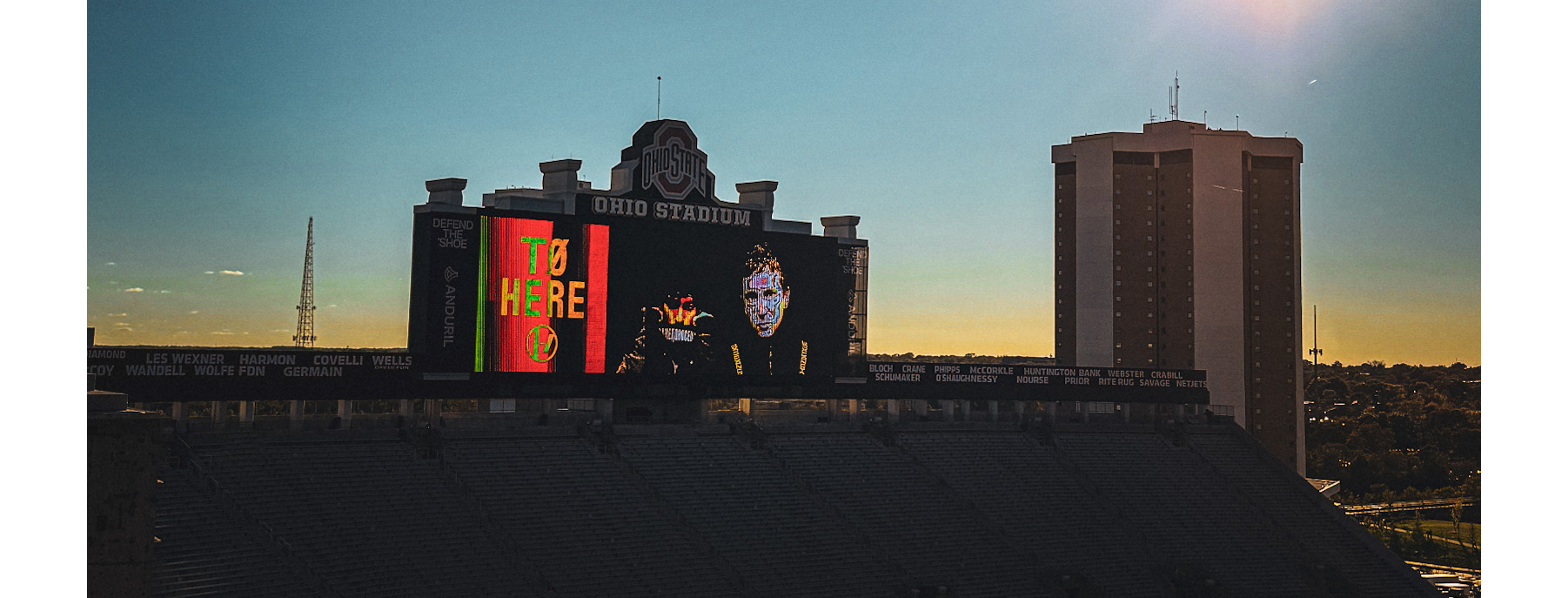
What a hometown concert, a marathon, and nearly 200,000 event attendees can teach us about what makes a destination worth visiting. On a moonlit Saturday evening, cool fall air chilled the 102,000 fans waiting for Twenty One Pilots to begin their largest and longest show to date. Suddenly, Ohio Stadium exploded in a wash of red as every screen and every [...]

 Ad Choices