

Why Some Destinations Are Adapting Faster to AI Than Others
Some teams are already:
Structuring content differently
Rethinking visibility
Adjusting how campaigns are built
Others are still operating within older models. The difference isn’t immediately obvious. But over time, it compounds.
Visibility builds on itself. Learning loops accelerate. Performance gaps widen.
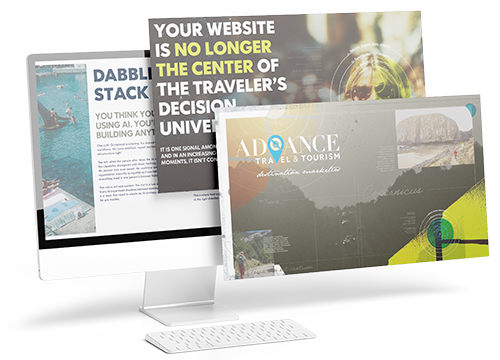
AI for Travel 2.0 highlights where that separation is starting to show—and why timing matters.
FILL OUT THE FORM BELOW TO DOWNLOAD THIS FREE RESOURCE
Learn more about how we can help you adapt to the evolving marketing landscape and ramp up your efforts.
October 22, 2026
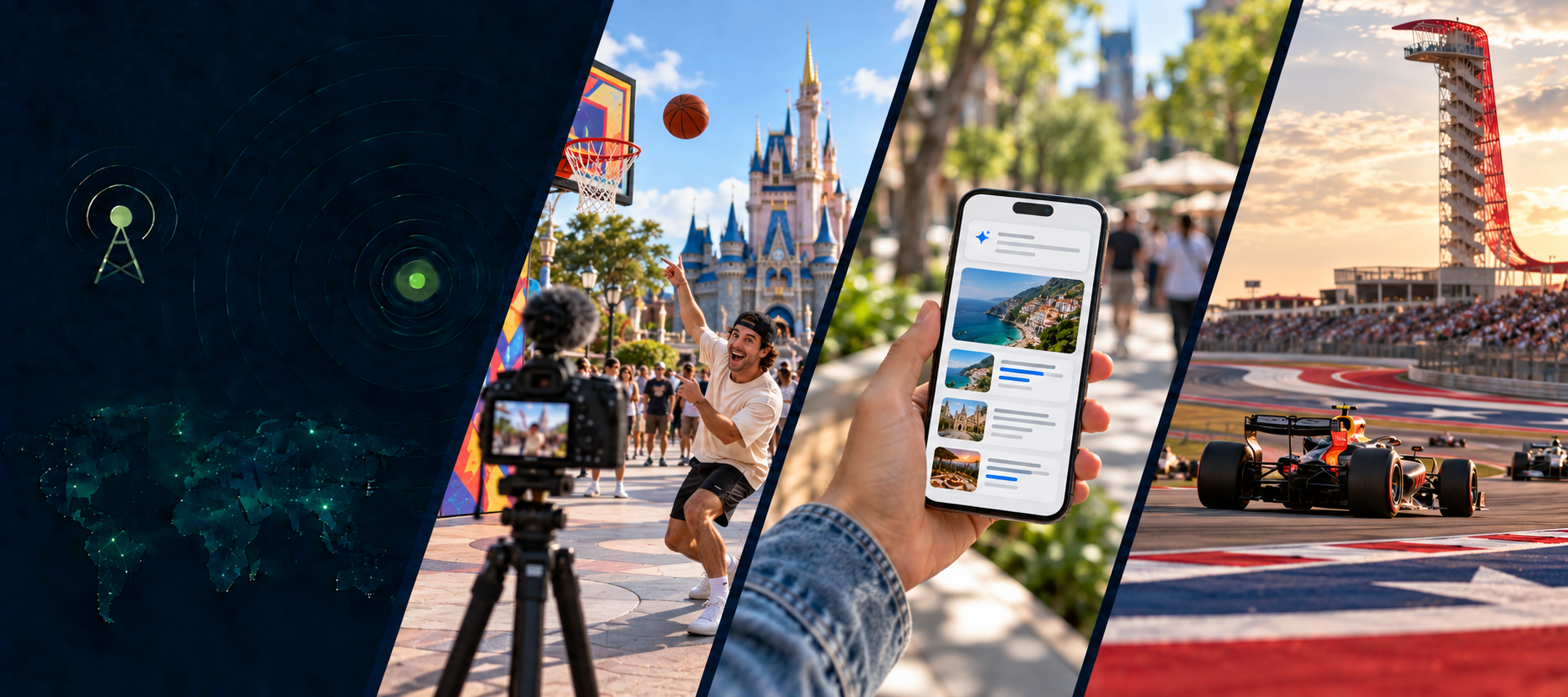
This week on Travel Signals, Disney is building around a creator’s established appeal. Google is making sources more visible inside AI answers. And Apple Maps is helping visitors find their way through one of Austin’s biggest weekends.
October 19, 2026
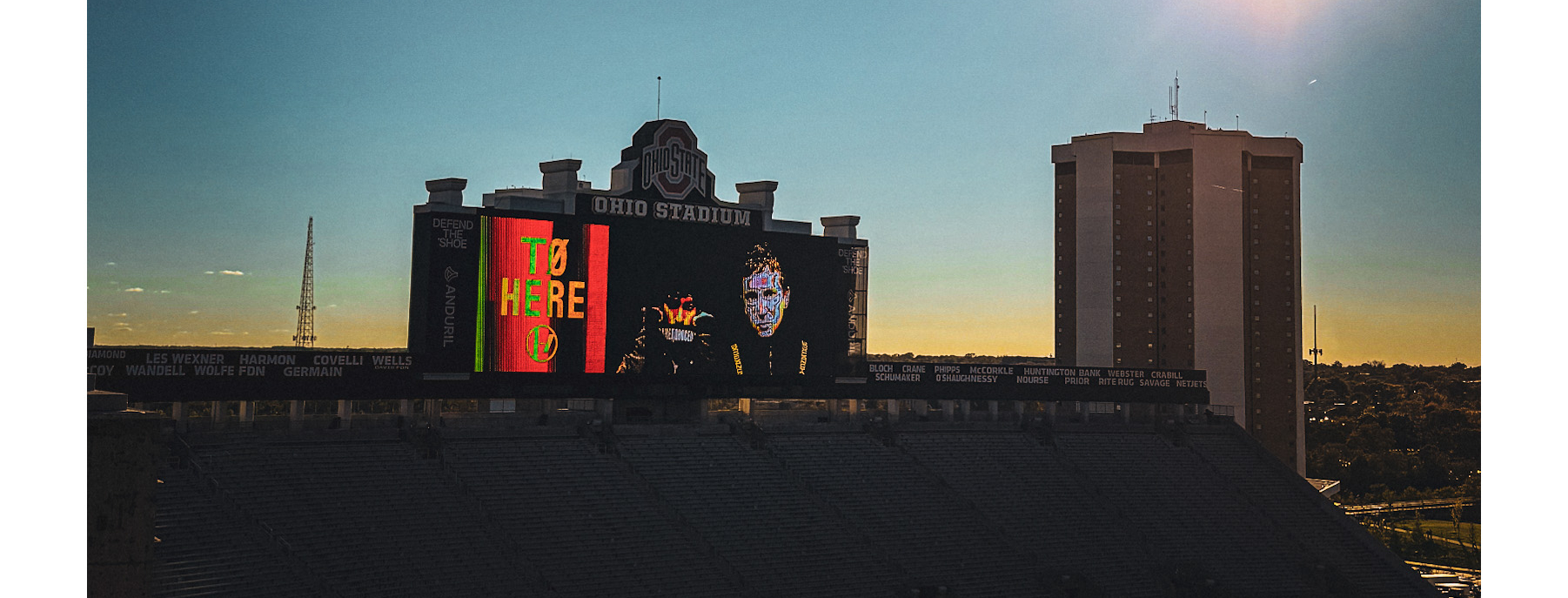
What a hometown concert, a marathon, and nearly 200,000 event attendees can teach us about what makes a destination worth visiting. On a moonlit Saturday evening, cool fall air chilled the 102,000 fans waiting for Twenty One Pilots to begin their largest and longest show to date. Suddenly, Ohio Stadium exploded in a wash of red as every screen and every [...]
October 15, 2026
The future of travel marketing isn't about creating more content. It's about creating something AI can't reproduce without you. There is a fundamental problem emerging in travel marketing, and it has very little to do with whether you're using ChatGPT, Gemini, Claude, or whatever new AI product showed up while I was writing this sentence. The problem is that we have [...]

 Ad Choices