

What The Amazon Can Teach Marketers About AI + Travelers
When you work in travel marketing, you don’t just manage campaigns you read the culture. You watch for signs, interpret movement, and try to understand what’s coming long before it arrives. That’s how explorer Paul Rosolie learned to survive in the Amazon, and it’s how marketers must adapt to the new terrain of AI. Because let’s be clear: AI is not new, it’s normal.
From the Amazon to the Algorithm
In Rosolie’s world, every footprint, sound, and shadow told a story. In ours, data and digital behavior are the tracks left by travelers navigating inspiration, research, and booking. For decades, we’ve survived in one ecosystem the SEO jungle. But we’re crossing into new terrain. Google’s blue links are no longer the water source; answer engines like ChatGPT, Gemini, and Perplexity are. In this new ecosystem, our job isn’t to plant more trees (content) it’s to cultivate clarity. Blogs feed AI. Video delights humans. Both are essential if we want to be found by machines and beloved by people.
When “Viral” Becomes a Mirage
Marketers are obsessed with going viral, but virality rarely converts. If a post brings a million eyeballs but your town only holds ten thousand beds, you’ve gained nothing but bandwidth bills. Success isn’t reach it’s resonance. The metric that matters most? Return visits, repeat guests, and real stories shared.
Stop Cross-Posting. Start Translating.
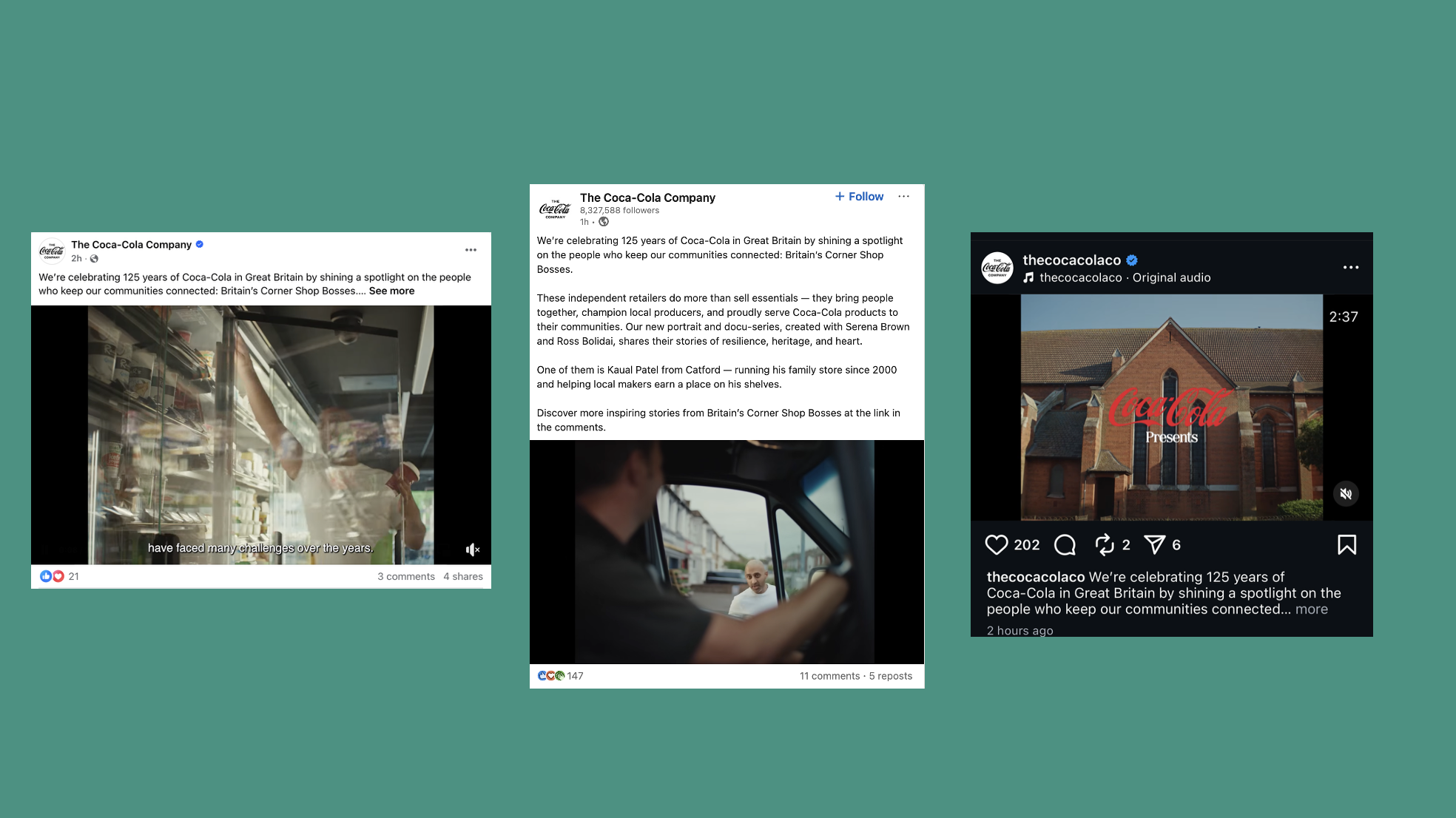
Most organizations still push the same post to every channel and call it “distribution.” It’s not. It’s dilution. Coca-Cola’s recent campaign proved it: one video worked on LinkedIn and died everywhere else. The problem wasn’t creativity it was context. Each platform is its own dialect. To be heard, you have to translate, not duplicate.
The Bread Theory of Content
If you bake a single loaf, you can make forty different things with it croutons, sandwiches, breadcrumbs, even ornaments. One keynote, podcast, or trip recap can yield months of content if you slice it the right way. Long-form builds authority; short-form fuels attention. The alchemy is in repurposing with intent.
Trust Is the New Luxury
In travel, nobody books a trip unless it creates more value than it costs, emotionally, financially, or experientially. Automation can scale content, but it can’t scale connection. Every visitor wants to feel like the woman at the John Fluevog store seen, valued, and part of something personal. That’s the paradox of AI marketing: the more synthetic the tools become, the more authentic the storyteller must be.
Redefining Success in the Zero-Click World
As AI answers more questions directly, web traffic will become a vanity metric. So what do you measure instead?
- Mentions in AI search responses
- Repeat visitation and referrals
- Engagement depth (saves, shares, comments)
- Employee-driven advocacy and community growth
Travel marketing has always been about movement of people, of ideas, of emotion.
AI may change the mechanics, but not the mission. The job now is to craft stories that breathe, connect, and inspire people to see the world differently. That’s how we stay human in a machine-made age.
Learn more about how we can help you adapt to the evolving marketing landscape and ramp up your efforts.
August 28, 2026
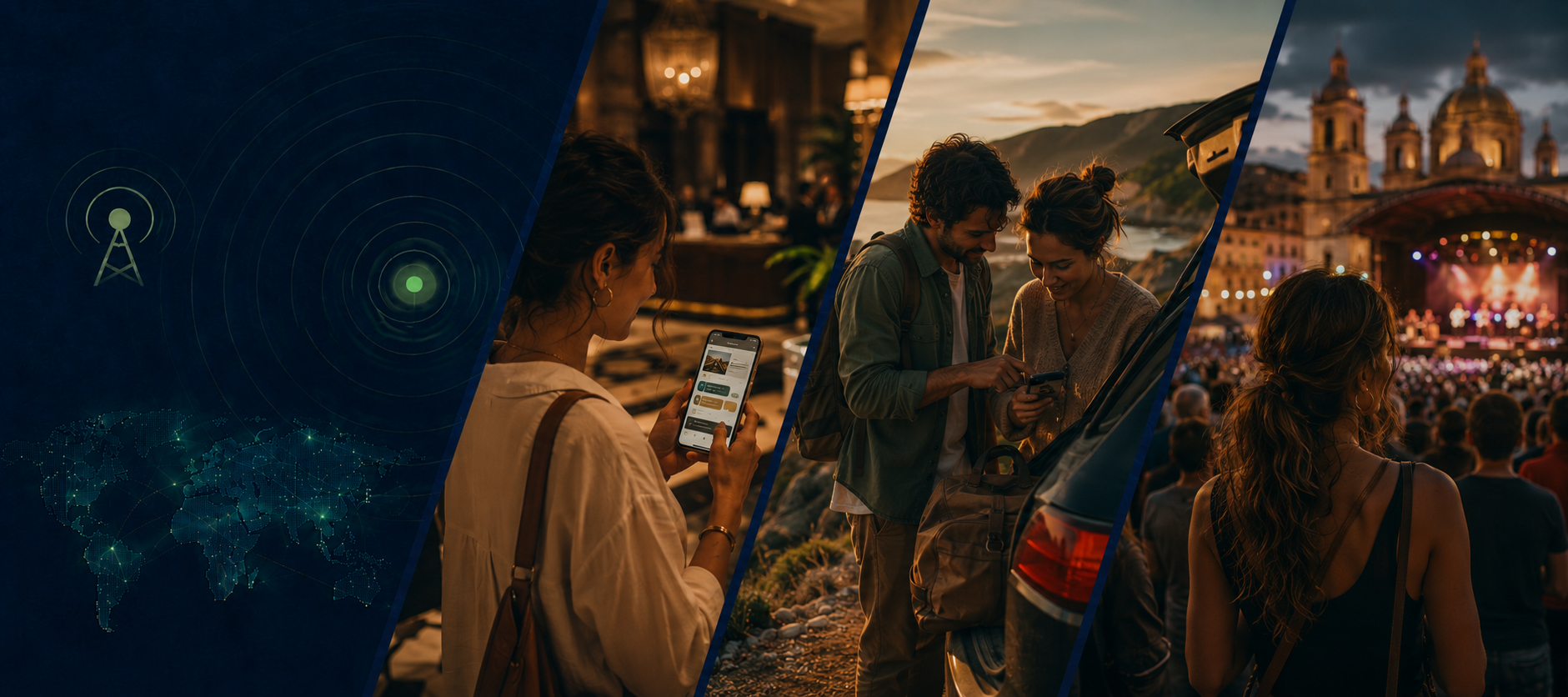
Travel Signals often looks beyond the travel industry for shifts that could reshape how people discover, choose and experience places. This time, the clearest signals are coming from inside travel itself. Across technology, traveler behavior and live events, the path from inspiration to arrival is becoming shorter and more intent-driven. Here are three signals we’re watching and what they could mean for travel marketers.
August 20, 2026

Brands are beginning to celebrate AI visibility when the more important question is whether AI is building the case for them—or against them. Marketing is beginning to make a familiar mistake. We are taking a new form of customer behavior and measuring it with an old model. Search visibility was largely positional: Did we appear, and where did we rank? As customers [...]
August 18, 2026

As we move through the second half of 2026, one travel trend is worth paying attention to: milestone moments are giving people a reason to get away. And for destination marketers, the opportunity may extend well beyond this year.

 Ad Choices