

VR Application in Marketing the Travel & Tourism Industry
The ability to teleport from the Egyptian Pyramids, to an underwater scuba adventure in the Red Sea, to an aerial helicopter adventure over the Manhattan skyline may seem like the plot of a science fiction film, however this is exactly what travel and tourism pioneer Thomas Cook’s “Try Before You Fly” campaign is allowing customers to experience.
Visualise, an augmented & virtual reality agency, produced an array of immersive 360-degree VR films which were experienced by customers across ten Thomas Cook locations in the UK, Germany, and Belgium.
Being amongst the first to implement VR in their marketing campaigns, Thomas Cook reported 190% increase New York based excursions. Lynne Slowey, Head of Digital Content at Thomas Cook, stated that commissioning Visualise allowed them to deliver in-store virtual reality to customers which lead to the nomination for numerous innovation awards and an increase in conversion rates for bookings made after viewing the VR content.
Years ago, you might have walked into a travel agency, seen photographs of different vacation destinations, and then chosen which location you wanted to travel to based on those photographs. This concept slowly evolved into travel agencies producing videos to provide customers a more detailed insight into potential vacation spots. The culmination and enhancement of both photo and video together has now evolved into fully immersive VR experiences, which are projected to greatly alter the way in which prospective travel clients choose their destinations.
The media and interactive director at Visit St. Petersburg/Clearwater, Leroy Bridges, expressed that implementing VR “brings the product to life, helps close sales, and helps close bookings”. In a world in which consumers are being bombarded by hundreds of advertisements a day, it takes innovative technology like VR to really captivate the consumer and their susceptibility to marketing material. VR may not only drive the growth of brand awareness, but it may also be a determining factor in increasing a potential customer’s willingness to expend money on the product or service you are offering.
The application of VR in the travel and tourism industry has endless potential applications, and should be highly considered by marketers. Being able to capitalize on this new technology before mainstream application can better differentiate you from competitors, provide a competitive advantage, and ultimately lead to larger market share and increased sales.
Click here to see how Ascape, the largest supplier of VR travel content for companies such as jetBlue, Yellow Pages, and Four Seasons, is providing visitors with immersive VR experiences.
Learn more about how we can help you adapt to the evolving marketing landscape and ramp up your efforts.
October 19, 2026
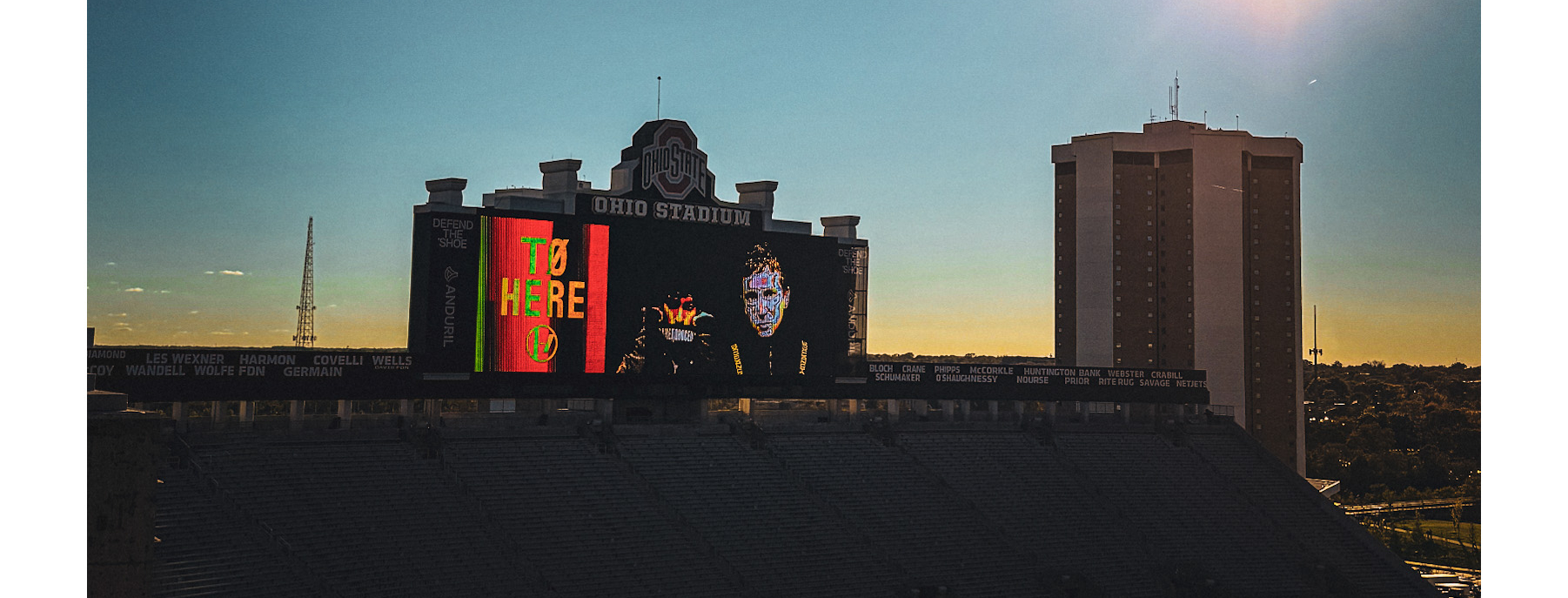
What a hometown concert, a marathon, and nearly 200,000 event attendees can teach us about what makes a destination worth visiting. On a moonlit Saturday evening, cool fall air chilled the 102,000 fans waiting for Twenty One Pilots to begin their largest and longest show to date. Suddenly, Ohio Stadium exploded in a wash of red as every screen and every [...]
October 15, 2026

The future of travel marketing isn't about creating more content. It's about creating something AI can't reproduce without you. There is a fundamental problem emerging in travel marketing, and it has very little to do with whether you're using ChatGPT, Gemini, Claude, or whatever new AI product showed up while I was writing this sentence. The problem is that we have [...]
October 15, 2026

The future of destination marketing isn't simply about being discovered. It's about becoming a destination that travelers, and the AI systems helping them, can trust. Imagine planning the perfect family vacation. You want hiking trails with spectacular views, restaurants worth traveling for, beautiful beaches, and enough activities to entertain the kids. Maybe there's skiing in the winter, incredible shopping, and a quiet [...]

 Ad Choices