

Travel Signals: Hospitality Gets Human, Wellness Rejects Optimization and Algorithms Become Optional
Travel Signals looks beyond the travel industry for shifts that could reshape how people discover, choose and experience places.
This week, the clearest signals are coming from fast food, wellness and social media. Across all three, consumers are reconsidering the role technology and optimization should play in their lives.
People still value convenience, personalization and useful recommendations. They also want more warmth, more agency and more room to experience life without constantly improving or documenting it.
Here are three signals we’re watching and what they could mean for travel marketers.
Signal #1: Hospitality Is Becoming a Differentiator Again
The Wall Street Journal reports that major fast-food chains are reinvesting in human service after years of expanding kiosks, mobile ordering and other forms of automation.
McDonald’s is retraining employees around hospitality. Wendy’s and Burger King are reconsidering the role of staffed counters. Across the category, brands are recognizing that speed and convenience do not fully replace the value of a warm interaction.
Technology still has a role. The shift is about what becomes more valuable once efficiency is widely available.
What it means for travel marketers
As more of the traveler journey becomes automated, genuine hospitality becomes easier to notice.
A traveler may use AI to choose a destination, a mobile app to check into a hotel and a QR code to order dinner. Each tool removes friction. None of them can create the feeling of being recognized, welcomed or cared for.
Destinations should make the human experience more visible in their marketing. That includes the local guide who remembers a visitor’s name, the bartender who shares the story behind a drink and the resident whose recommendation changes the course of an afternoon.
It also means looking beyond customer service language. Hospitality is strongest when it is demonstrated through real people and specific moments.
When convenience becomes expected, warmth becomes memorable.
Signal #2: Consumers Are Tiring of Constant Optimization
For years, wellness has increasingly been framed through tracking, performance and continuous self-improvement. Newer brands are moving in another direction, emphasizing intuition, enjoyment and presence. Some products deliberately avoid scores and dashboards. Others position wellness as something to experience rather than perfect.
The shift reflects a broader tension in consumer culture: even leisure can begin to feel like another system to manage.
What it means for travel marketers
Travel marketing often turns a trip into an assignment.
See the ten essential attractions. Build the perfect itinerary. Maximize every hour. Find the most photogenic view. Make sure nothing is missed.
That approach can be useful, especially when travelers need practical help. It can also reproduce the pressure they hoped to leave at home.
Destinations have an opportunity to position travel as relief from optimization. Content can give travelers permission to wander, revisit a favorite place, leave part of the day unplanned or experience a destination without completing it.
This does not require abandoning itineraries and recommendations. It means creating flexibility inside them. A strong itinerary might offer one anchor experience and several ways the day could unfold. A neighborhood guide might encourage travelers to follow what interests them instead of moving through a rigid checklist.
Sometimes the value of a trip is the space it creates.
Signal #3: People Want More Control Over Curation
The experiment followed proposed reforms in Australia that would require social platforms to let users opt out of algorithmic feeds. Without recommendations, the writer saw a chronological feed made up only of accounts she followed. The result felt quieter and less manipulative, but also less interesting and useful.
The experience surfaced an important distinction. People may want more control over the systems curating their choices without wanting to sort through everything alone.
What it means for travel marketers
Travelers face a similar contradiction when planning a trip.
They can be skeptical of sponsored rankings, algorithmic recommendations and overly polished lists. At the same time, the volume of available choices makes thoughtful curation essential. Few people want to evaluate every hotel, restaurant, neighborhood and attraction from scratch.
The opportunity is to make curation feel more transparent and adaptable.
Explain why an experience is being recommended. Organize options around recognizable traveler needs. Offer ways to narrow the choices by interest, pace, budget or occasion. Use local expertise to give the recommendation a point of view.
The strongest destination content does more than provide a list. It helps travelers understand why an option belongs in their trip.
Relevance matters. So does the traveler’s sense of agency.
The Bigger Picture
Taken individually, these stories are about fast food service, wellness culture and social media feeds.
Together, they reveal a recalibration in how people want to interact with systems designed to serve them.
Consumers still appreciate technology that removes friction. They still want recommendations that reduce complexity. They still want tools that help them make better decisions. Their expectations rise when those systems become more pervasive.
People want efficiency without impersonality, guidance without pressure and personalization without surrendering control.
For travel marketers, that creates a clear mandate: use technology to make the journey easier, use human stories to make the destination worth choosing and create guidance that helps travelers move forward while leaving enough room for the experience to feel like their own.
The next era of destination marketing will belong to places that know when to guide, when to welcome and when to get out of the traveler’s way.
Learn more about how we can help you adapt to the evolving marketing landscape and ramp up your efforts.
October 22, 2026
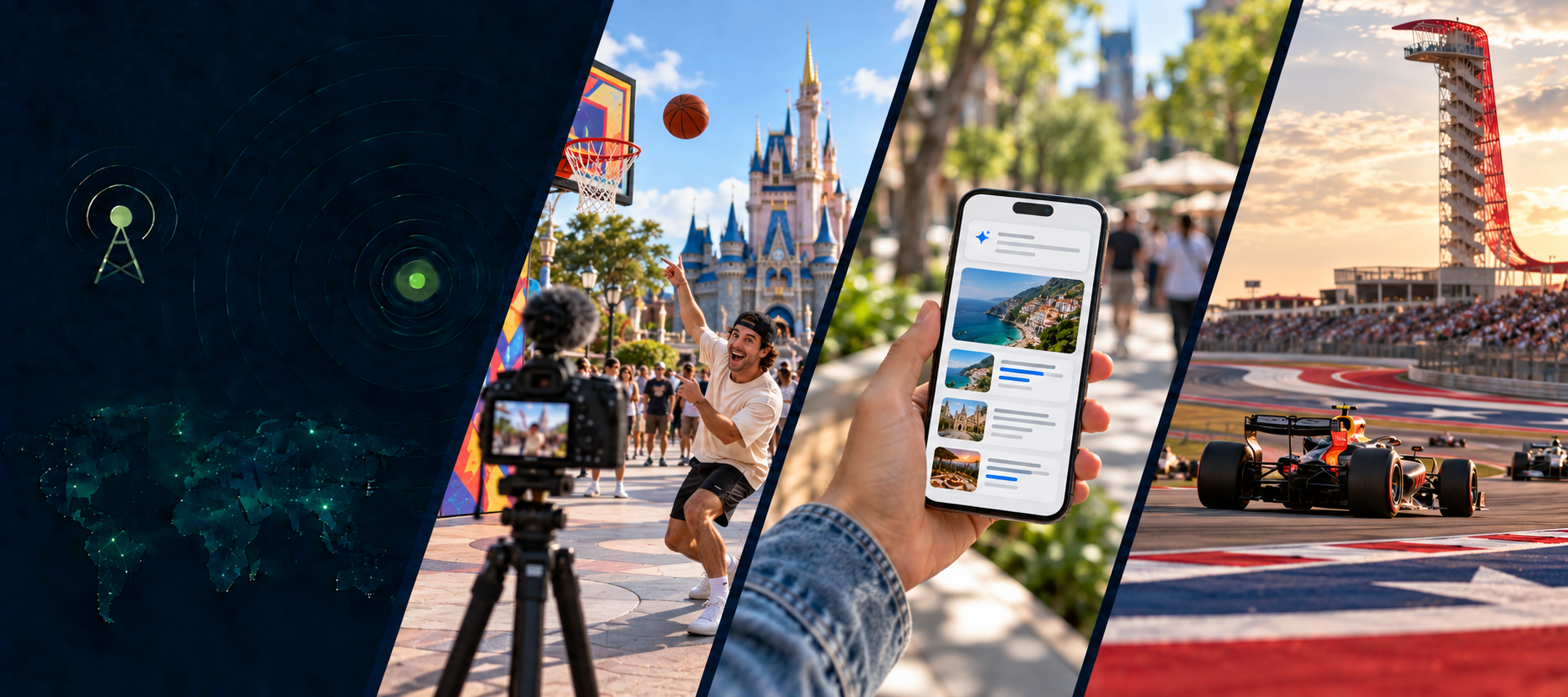
This week on Travel Signals, Disney is building around a creator’s established appeal. Google is making sources more visible inside AI answers. And Apple Maps is helping visitors find their way through one of Austin’s biggest weekends.
October 19, 2026
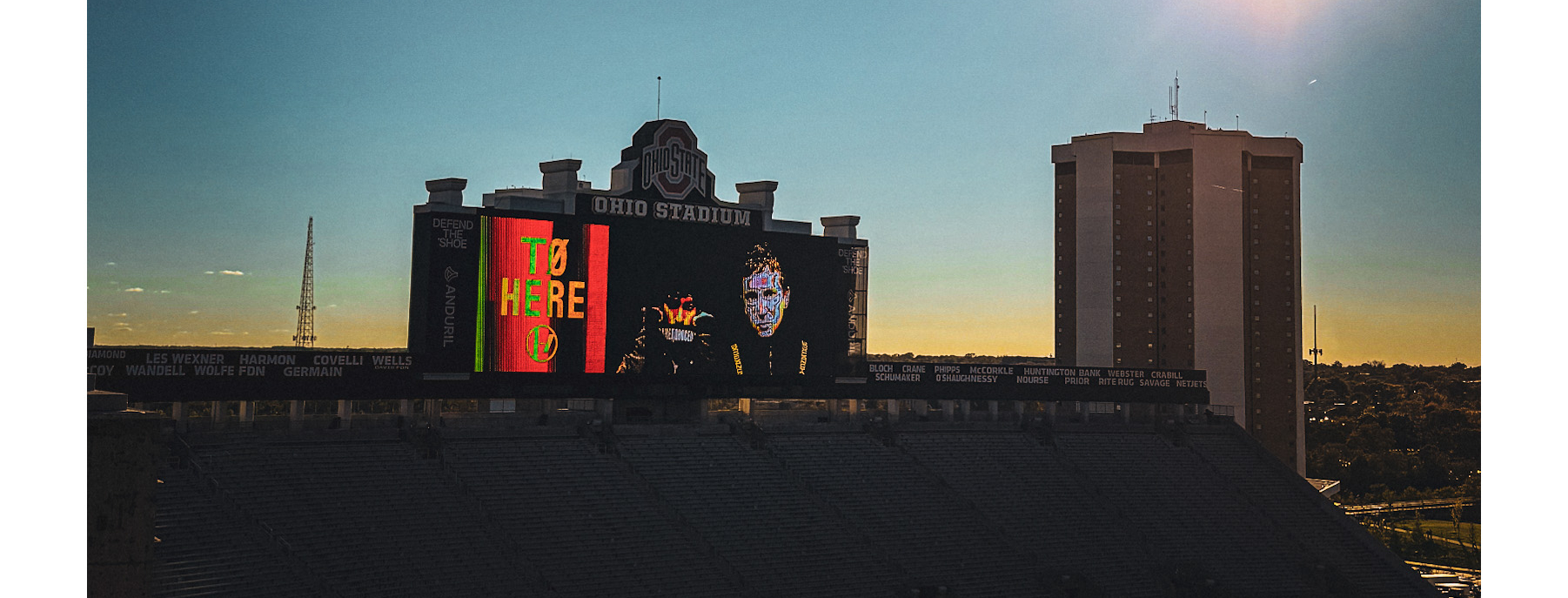
What a hometown concert, a marathon, and nearly 200,000 event attendees can teach us about what makes a destination worth visiting. On a moonlit Saturday evening, cool fall air chilled the 102,000 fans waiting for Twenty One Pilots to begin their largest and longest show to date. Suddenly, Ohio Stadium exploded in a wash of red as every screen and every [...]
October 15, 2026
The future of travel marketing isn't about creating more content. It's about creating something AI can't reproduce without you. There is a fundamental problem emerging in travel marketing, and it has very little to do with whether you're using ChatGPT, Gemini, Claude, or whatever new AI product showed up while I was writing this sentence. The problem is that we have [...]

 Ad Choices