

The Stranger Things Lesson DMOs Should Steal
Approximate reading time: 8 minutes
Netflix and Stranger Things ended the year and a decades-long series with mind-blowing consumer attention. 1.1 million people packed into over 620 theaters for 3500 showtimes to see the final episode of the series on New Year’s Eve and New Year’s Day.
The “ticket” itself was a clever twist: seats were free, but attendees had to purchase a food-and-drink credit. That means theaters weren’t splitting a box office. They were keeping concessions, to the tune of $30 million. If you’ve ever worked with a partner who needed a win, you recognize what Netflix did here: they engineered a cultural moment and made sure the ecosystem benefited too.
Prior to the finale Stranger Things had surpassed 1.2 billion streams and more than $1.4 billion towards US GDP and Stranger Things stands as the no. 2 most watch television show of all time and the Season 5 opening was the biggest opening week ever for Netflix. Like most overnight success stories, this one starts with a brilliant, yet unassuming pitch deck. An idea that once ignited would become a global sensation and a compass for consumer attention.
But here’s the part DMOs should actually care about: Stranger Things didn’t win because it posted more. It won because it built a world people could live inside for a decade. People joined in Season 1. People discovered it in Season 4. People dropped out and came back. Some fans were “day one,” some were “binge it over a weekend,” and Netflix designed the experience for all of them.
That is the lesson for destinations.
Most destination marketing is built like fireworks: bright, expensive, and over fast. Longform storytelling is built like waxed canvas: it gets better the more it’s used. It holds up. It ages well. It becomes familiar. And in a crowded market, familiarity is leverage.
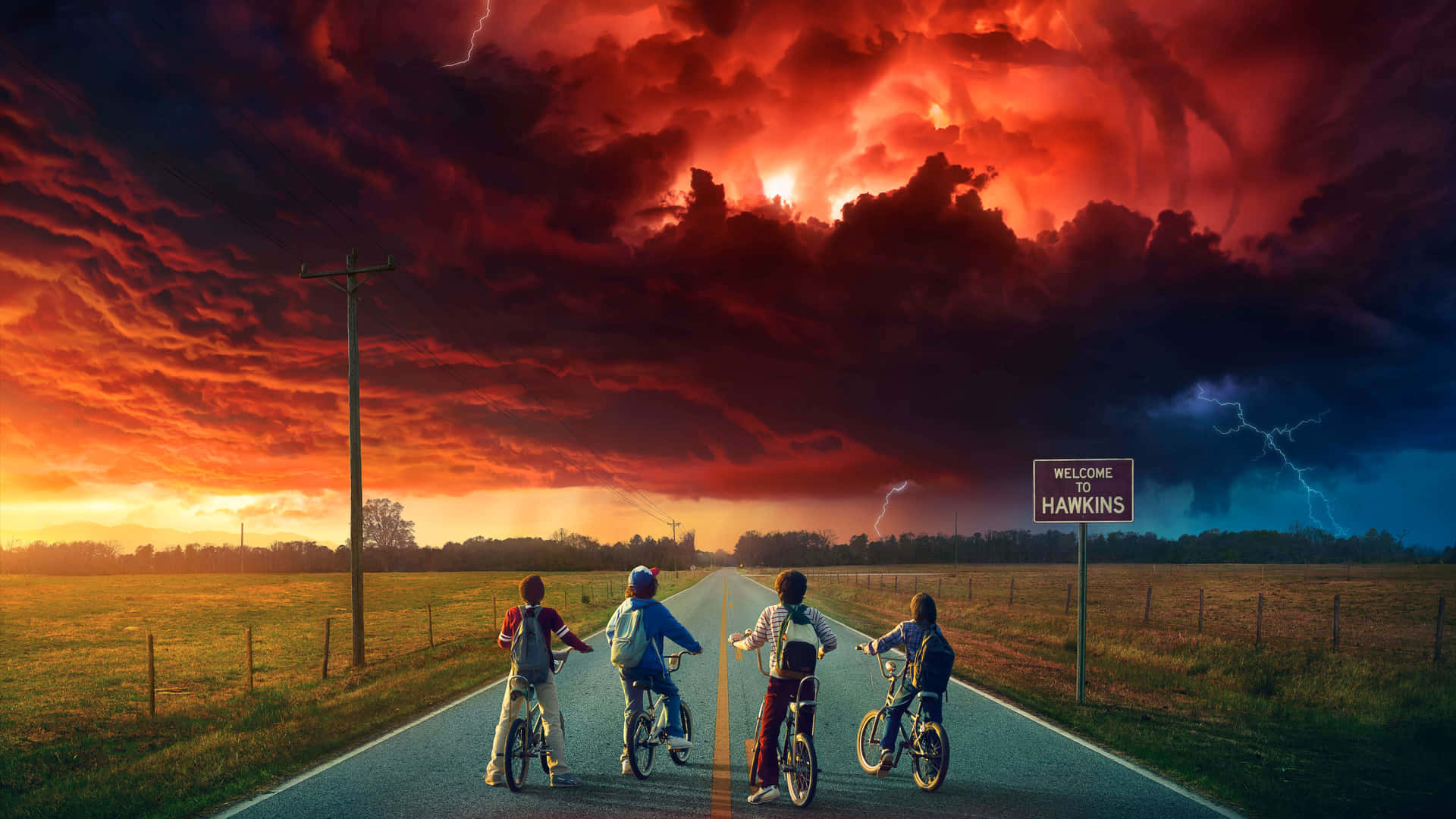
What we can gain from the Duffer Brothers
Stranger Things is the classic “overnight success that took years.” Before the show, the Duffer Brothers wrote and directed the film Hidden and wrote episodes for Wayward Pines. Then came the early “Montauk” materials: a tight story bible and pitch approach that didn’t just describe episodes, it described a world. That’s the part most brands skip. They pitch content. They don’t pitch a universe.
DMOs don’t need monsters and telekinesis. They need a story engine: a narrative that keeps producing reasons to return, reasons to share, and reasons to visit.
The longform advantage for DMOs and attractions
A longform story does four things.
That only works if you build “on-ramps” and “recaps” like they’re part of the product, not an afterthought.
The Model
Here’s the simplest way to think about your “Start Here” page
If you build nothing else, build the Story Hub. That’s the page you send newcomers to forever. That’s the page that makes longform scalable.
How a DMO actually builds the thing
Start with a one-page Story Bible to help you answer crucial questions.
(This is not a public-facing document. It’s your alignment tool.)
Define the Seasons (quarterly is easiest)
Each season needs one clear theme and one clear conversion intent.
Ship Episodes in three formats every time
This is where most DMOs win or lose. The format discipline is what makes “join anytime” real.
If you do this consistently, the story starts compounding. People don’t just see one post. They discover a backlog. And backlog is value in an AI world.
Stranger Things didn’t win because it chased attention. It built a world that deserved attention, then made it easy to join, rejoin, and bring friends.
That’s the play for destinations in 2026: stop thinking like you’re just running campaigns. Start thinking like you’re building a story.
Learn more about how we can help you adapt to the evolving marketing landscape and ramp up your efforts.
Share This Story
April 9, 2026

There’s a quiet shift happening in consumer travel planning.
April 8, 2026

Four astronauts are currently on their way back from the Moon. While they were out there, 248,000 miles from Earth, no Wi-Fi, no cellular signal, they were still posting.
March 28, 2026
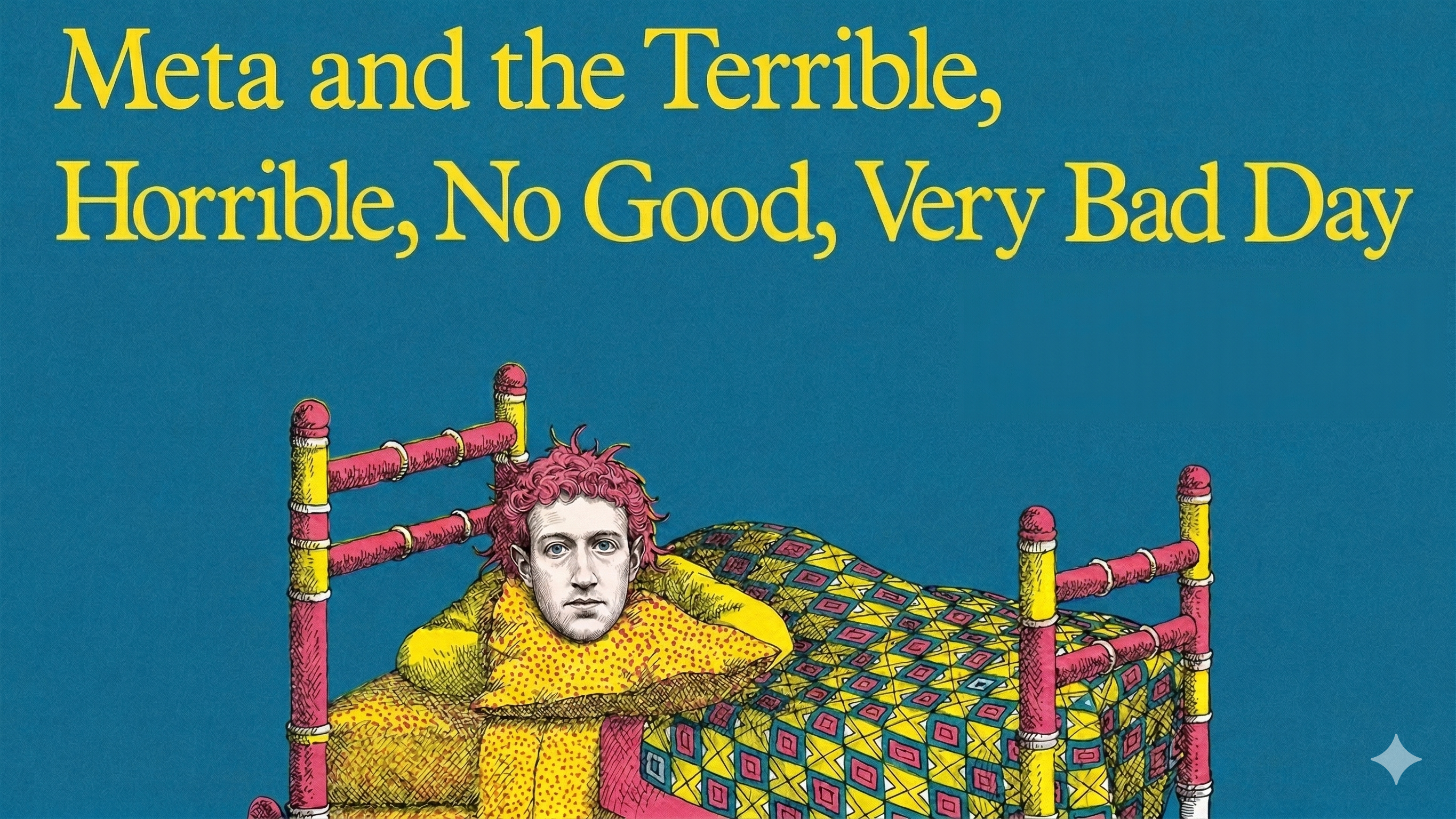
She was six years old when she found YouTube. By nine, she was on Instagram. By ten, she was hurting herself. By thirteen, she had been diagnosed with body dysmorphic disorder and social phobia. At trial, she went only by her initials: KGM. This week, a jury found Meta and YouTube liable for creating addictive products engineered to hook young users. [...]

 Ad Choices