

Travel Signals: Booking Moves Into AI, Planning Windows Shrink and Events Lead the Trip
Travel Signals often looks beyond the travel industry for shifts that could reshape how people discover, choose and experience places. This time, the clearest signals are coming from inside travel itself.
Across technology, traveler behavior and live events, the path from inspiration to arrival is becoming shorter and more intent-driven.
Here are three signals we’re watching and what they could mean for travel marketers.
🤖 Signal #1: AI Is Moving From Discovery to Booking
PhocusWire reports that travelers in the U.S. can now book hotels directly within Google’s AI Mode.
A traveler can describe what they want conversationally, compare properties that match their criteria and complete the reservation using Google Pay. Google has also added flight price tracking and the ability to view select hotel and flight options in points or miles.
For now, hotel results in AI Mode are organic. There are no paid placements or commercial tools that allow a brand to influence its position.
What it means for travel marketers
AI visibility is moving closer to revenue.
The question is no longer limited to whether a destination or property appears in an AI-generated recommendation. Increasingly, it is whether that recommendation places the brand inside the path to purchase.
When discovery, comparison and booking happen within the same conversation, fewer travelers may visit a destination or hotel website before making a decision. The information AI can find, understand and trust becomes the material it uses to build the case.
Destinations need content that does more than attract clicks. They must clearly communicate what the experience offers, who it is for and why it matches the specific trip a traveler is trying to plan.
Being surfaced by AI is becoming a point of sale.
⏱️ Signal #2: The Planning Window Is Compressing
Travel activity remains resilient, even as financial confidence and budgets soften. The more consequential change is how people are making decisions: planning windows are shrinking, preference is shifting from air travel toward road trips, YouTube is gaining influence in travel research and roughly three in ten travelers now use AI for trip planning.
What it means for travel marketers
A shorter planning window changes the job of destination content.
Travelers making decisions closer to departure need more than broad inspiration. They need timely proof that the trip is possible: what they can do, how they can get there, what fits their budget and why this destination makes sense right now.
That increases the value of seasonal itineraries, drive-market messaging, current event content and practical guidance that helps someone move quickly from interest to action.
It also challenges the assumption that destination marketing should concentrate primarily on influencing travelers months before arrival. Inspiration still matters, but marketers need a stronger bridge between “I want to go somewhere” and “I can make this trip happen next weekend.”
When the decision window shrinks, relevance has to arrive faster.
🎟️ Signal #3: The Event Is Becoming the Trip Anchor
The event may initiate the trip, but the economic impact extends well beyond the venue. According to Skift Research, 84% of event travelers explore beyond the event itself. Trip.com Group also reported that entertainment-driven travel grew 74% year over year during the first quarter of 2026.
This behavior extends beyond ticketed events. Milestone moments are also giving travelers a reason to go before they have chosen where. We explore the broader opportunity in Milestone Travel: When the Occasion Comes Before the Destination.
What it means for travel marketers
The destination does not always have to create the initial desire to travel. Sometimes the artist, team or festival has already done that work.
The destination’s opportunity is to capture everything that happens around it.
That means giving ticket holders a reason to arrive earlier, stay later, explore nearby neighborhoods and spend with local businesses. Content should connect the event to the wider place through itineraries, dining recommendations, transportation guidance and experiences aligned with the audience already coming to town.
The strongest event strategy also looks beyond one weekend. A visitor who came for a concert may return for the food, culture or community they discovered around it.
The event creates the trip. The destination determines what the trip becomes.
The Bigger Picture
Taken individually, these stories are about Google’s AI Mode, shorter planning windows and live-event travel.
Together, they show a traveler journey becoming more compressed and more intent-driven.
AI is reducing the distance between recommendation and reservation. Travelers are waiting longer to commit. Events are giving them a specific reason to move.
For travel marketers, the answer is not simply producing more inspiration. It is building a clearer path from the traveler’s reason to go to a decision they can act on.
Destinations need to be understandable when AI assembles the options, useful when the traveler is ready to decide and relevant to the experience already motivating the trip.
The next era of destination visibility will belong to places that can meet intent with action.
Learn more about how we can help you adapt to the evolving marketing landscape and ramp up your efforts.
August 28, 2026
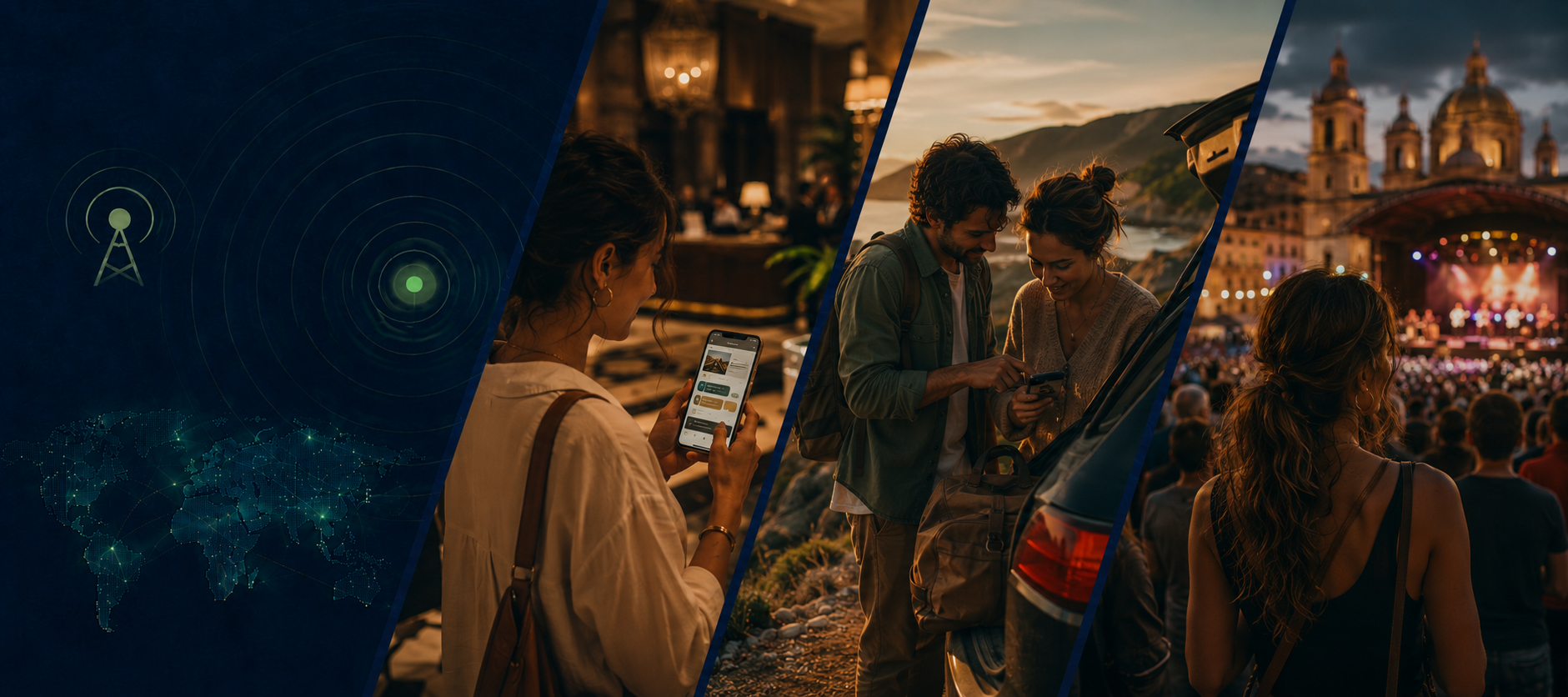
Travel Signals often looks beyond the travel industry for shifts that could reshape how people discover, choose and experience places. This time, the clearest signals are coming from inside travel itself. Across technology, traveler behavior and live events, the path from inspiration to arrival is becoming shorter and more intent-driven. Here are three signals we’re watching and what they could mean for travel marketers.
August 20, 2026

Brands are beginning to celebrate AI visibility when the more important question is whether AI is building the case for them—or against them. Marketing is beginning to make a familiar mistake. We are taking a new form of customer behavior and measuring it with an old model. Search visibility was largely positional: Did we appear, and where did we rank? As [...]
August 18, 2026

As we move through the second half of 2026, one travel trend is worth paying attention to: milestone moments are giving people a reason to get away. And for destination marketers, the opportunity may extend well beyond this year.

 Ad Choices